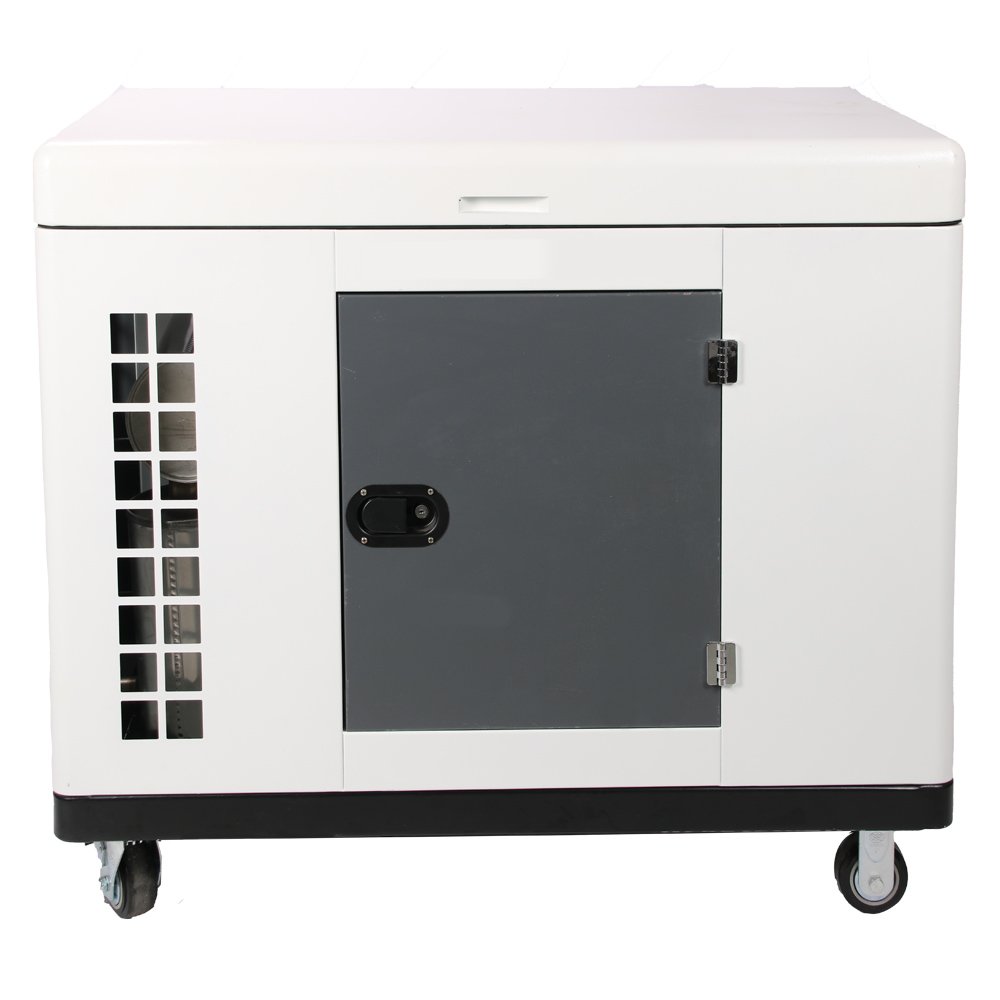
Imagine the peaceful hum of nature, not the roaring engine of a generator, even during a power outage or deep in the wilderness. Silent generators are transforming how we power our lives, offering reliable electricity without the disruptive noise. Whether you're planning a serene camping trip, ensuring your home stays comfortable during an unexpected blackout, or need quiet power on a bustling job site, a silent generator is a game-changer.
This comprehensive guide will walk you through everything you need to know about these innovative power solutions. We'll explore what makes a generator truly "silent," the different types available, key features to consider, and even our top recommendations to help you make an informed decision.
Understanding What Makes a Generator "Silent"
When we talk about "silent generators," we're generally referring to units that operate significantly quieter than traditional models, typically in the 50-60 decibel (dB) range. To put that in perspective, a normal conversation is around 60 dB, while a hair dryer can hit 90 dB. The magic behind this quiet operation largely comes from advanced technology and thoughtful design.
The primary types of generators offering low noise levels are inverter generators and solar generators. Inverter generators are compact, computer-controlled units that boast efficient motors, advanced mufflers, and the ability to self-regulate engine speed based on power demand. This prevents wasted energy and significantly reduces noise. For a deeper dive into the engineering that makes these units so efficient and quiet, you'll want to explore Inverter Generator Technology Explained.
On the other hand, solar generators are portable power stations that don't use fuel at all. Charged by solar panels or standard electrical outlets, they are virtually silent during operation and are incredibly eco-friendly. They expend power only as needed, making them highly energy-efficient.
Why Choose a Quiet Generator? Diverse Applications
The beauty of a silent generator lies in its versatility and minimal disruption. From recreational activities to essential home backup, these units provide power without invading your peace.
Powering Your Adventures: Camping and RVs
For outdoor enthusiasts, a quiet generator is indispensable. Imagine powering your RV's air conditioning or campsite lights without disturbing wildlife or your fellow campers. Units designed for portability and low noise are perfect for these scenarios. If your adventures often take you off the grid, you'll certainly want to Learn About Portable Silent Generators that can keep pace with your journey.
Essential Home Backup During Outages
When the power goes out, a generator can keep essential appliances running, from refrigerators to medical devices. A silent model ensures that your home environment remains as peaceful as possible, avoiding the stress and noise associated with older, louder generators. For larger, more permanent solutions to secure your home's power supply, you can also Discover silent home standby generators.
Outdoor Events and Professional Work Sites
Quiet generators are also ideal for outdoor events like weddings, festivals, or tailgates, where excessive noise would be unwelcome. Similarly, on construction sites or for mobile businesses, they meet noise regulations and allow for clearer communication among workers, improving efficiency and safety. Businesses with specific needs might benefit from researching Commercial Silent Generators for Business to find solutions tailored for heavier use and continuous operation.
Key Factors to Consider When Choosing Your Quiet Generator
Selecting the right silent generator involves weighing several important factors to match your specific needs.
- Power Output (Wattage): This is perhaps the most crucial factor. Generators are rated by their "running" and "peak" wattage. For camping or minor job site use, 1,000-1,600 watts might suffice. Home backup for a large refrigerator or essential items typically requires 2,000+ watts, while 3,000+ watts are needed to run multiple high-demand appliances simultaneously.
- Fuel Type and Capacity: Most inverter generators run on gasoline, with many offering dual-fuel capabilities (gasoline and propane). Solar generators, by contrast, use no fuel. The fuel tank size impacts runtime, with larger tanks offering longer operation between refills.
- Noise Level (dB): Again, aim for models operating between 50-60 dB. Remember that solar generators offer near-silent operation, making them perfect for highly sensitive environments.
- Size and Weight: Portable units typically weigh 40-60 pounds, designed for easy transport. Larger, more powerful units can exceed 100 pounds and often include wheel kits for better mobility.
- Additional Features: Modern silent generators come packed with conveniences and safety measures:
- Load Sharing (Parallel Compatibility): Connect two identical generators for increased power.
- Electric Start: Push-button, switch, or remote control for easy startup.
- Multiple Outlets: Essential for connecting various devices, including household, RV, and USB ports.
- Eco-Modes: Adjust engine speed based on power demand, saving fuel and reducing noise.
- CO Sensor (e.g., CO-MINDER, COsense): A vital safety feature that automatically shuts down the generator if dangerous carbon monoxide levels are detected.
- Low Oil Shutoff and Overload Protection: Protects the generator and connected appliances.
- Illuminated LED Display: Provides real-time information on power output, fuel level, and runtime.
- Fuel Shutoff: Drains fuel from the carburetor before shutdown, preventing clogs and simplifying storage.
Our Top Picks for the Best Silent Generators
Based on extensive testing and evaluation of brand reputation, customer satisfaction, power output, cost, and, of course, noise level, here are some of the standout silent generators available today:
Best Overall
- Honda 2200-Watt Inverter Generator With CO-Minder (EU2200i): Renowned for its reliability and clean power, this unit offers 2,200 peak watts and runs at a super-quiet 48-57 dB(A). It’s gasoline-powered, weighs just 47.4 pounds, and features Honda's My Generator app compatibility and CO-MINDER safety.
Best Bang for the Buck
- Pulsar 2200-Watt Dual-Fuel Quiet Inverter Generator: A versatile choice, this generator provides 2,200 peak watts on gasoline and 2,000 watts on propane. It's advertised at ~60 dB and weighs 46.5 pounds, offering dual-fuel flexibility for diverse situations.
Best for Camping and RVs
- Westinghouse iGen4500 Quiet Inverter Generator: Perfect for extended trips, it delivers a robust 4,500 peak watts at an impressive 52 dB(A), quieter than normal conversation. Though heavier at 104.7 pounds, its 3.4-gallon tank provides up to 18 hours of run time, making it ideal for RVs and job site tools.
Best Solar Generator
- Generac GB2000 Portable Power Station: For truly silent and eco-friendly power, this solar generator offers 3,200 peak watts and 1,600 running watts. It charges via AC or solar (panels not included), is energy-efficient, and comes with a rugged handle, weighing 43 pounds.
Other Highly Recommended Silent Generators:
- Ryobi 2300-Watt Bluetooth Inverter Generator: With 2,300 peak watts and Bluetooth app connectivity for monitoring and shutoff, it's a convenient option operating between 57-68 dB(A).
- Generac iQ3500 Portable Inverter Generator: This user-friendly generator provides 3,500 peak watts, features a push-button start, and an easy-to-read LCD, running at 56 dB(A) in Eco mode.
- Westinghouse 2550 Peak Watt Dual Fuel Inverter Generator: An ultra-quiet, lightweight (43 lbs) option with 2,550 starting watts, running as low as 52 dBA. It's RV-ready and includes a CO sensor.
- PowerSmart 2500-Watt Gas Powered Portable Inverter Generator: A budget-friendly and lightweight choice at 2,500 starting watts, noted for 56 dB at 23 feet and a built-in CO sensor.
- WEN 3600-Watt Portable Inverter Generator: Delivering 3,600 starting watts, this fully enclosed generator offers Eco-mode and essential safety features, operating around 65 dB at quarter load.
- Generac 7153 GP3300i Portable Inverter Generator: Featuring PowerRush technology for increased starting capacity, 3,300 starting watts, and COsense technology, it maintains ~52-55 dBA at low loads.
- Yamaha EF2200iS Inverter Generator: A robust design with 2,200 starting watts, Smart Throttle, an illuminated LED display, and CO sensor, running ~57 dBA at 1/4 load.
- Champion Power Equipment 2500-Watt Dual Fuel Inverter Generator: Weighing only 39 pounds, this dual-fuel option provides 2,500 starting watts at 53 dBA from 23 feet, with a CO Shield sensor for safety.
Maximizing Quiet Operation: Maintenance and Noise Reduction
To keep your silent generator running at its optimal quiet level, regular maintenance is key. This includes routine oil changes (first after 20 hours, then every 100 hours), cleaning the air filter, and running the generator for 20-30 minutes every three months to keep components lubricated. Sometimes, upgrading or replacing the muffler can further reduce noise. For a full guide on keeping your unit in top condition and maintaining its quiet performance, be sure to check out Essential quiet generator care.
Beyond maintenance, strategic placement and noise reduction techniques can make a big difference:
- Noise-Reducing Mats or Covers: Placing your generator on a rubber or anti-vibration mat can absorb vibrations and minimize noise transmission. Specially designed insulated or soundproof covers can also muffle noise, provided they allow for proper ventilation.
- DIY Sound Barriers: A simple three-sided plywood enclosure (with the top open for airflow) lined with acoustic foam or blankets can be highly effective. Remember to maintain 2-3 feet of space between the barrier and the generator for adequate ventilation.
- Baffle Boxes: For advanced DIY enthusiasts, a fully enclosed baffle box with acoustic insulation, ventilation fans, and a clear exhaust path can significantly lower noise levels, creating an almost whisper-quiet operation.
Safety First: Operating Your Quiet Generator
Even quiet generators demand careful handling. Never operate fuel-powered portable generators overnight unmonitored or in enclosed spaces like basements, garages, or even partially enclosed patios. This is crucial due to the risk of carbon monoxide poisoning, an odorless, colorless gas that can be fatal. Always ensure your generator is placed on a flat, stable surface far from windows and doors, and follow all manufacturer instructions for safe operation.
Power Your Life, Silently
Choosing the right silent generator opens up a world of possibilities, from serene outdoor adventures to peaceful home security during outages. With the innovations in inverter and solar technology, you no longer have to sacrifice peace and quiet for reliable power. Take the time to consider your specific needs, explore the options, and equip yourself with a power solution that truly delivers on its promise of quiet efficiency.