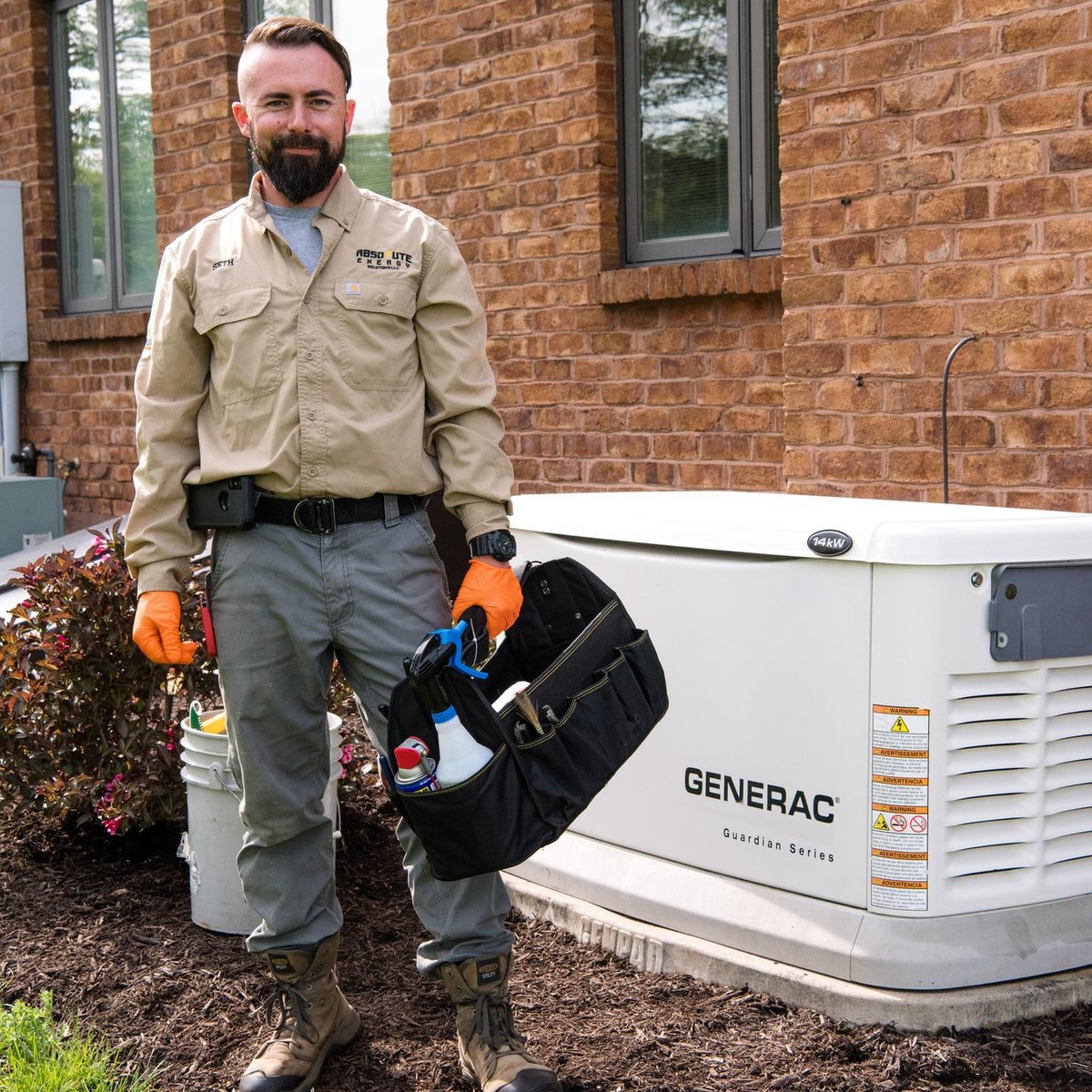
Imagine the lights flickering, then plunging your home into darkness. A quiet hum kicks in, and moments later, your home is powered again. That’s the magic of a reliable standby generator. But that magic isn't automatic; it's the result of consistent, thoughtful Quiet Generator Maintenance & Care. Far from a "set it and forget it" appliance, your generator is a sophisticated machine—much like your car—requiring regular attention to ensure it springs to life when you need it most. Neglect it, and that hum might become a deafening silence when the next storm rolls through.
This guide isn't just about keeping your generator running; it’s about safeguarding your investment, ensuring your family's comfort, and guaranteeing peace of mind. Let’s dive into how to keep your silent guardian ready for any emergency.
At a Glance: Key Takeaways for Your Generator's Health
- Generators are like cars: They need regular oil changes, filter replacements, and checkups.
- Preventive care is crucial: It prevents failures and saves significant money in the long run.
- Batteries are often the weakest link: Monthly checks and proactive replacement are vital.
- Follow a schedule: Monthly visuals, semi-annual checks, and annual professional service are ideal.
- Environment matters: Adjust maintenance for coastal, dusty, or cold climates.
- Know your limits: Some tasks are safe for DIY, others require a certified professional.
- Records are gold: Documenting all service ensures warranty compliance and tracks health.
- Maintenance pays off: Expect 15-20 years of reliable power with proper care.
The Silent Protector: Why Your Generator Demands Attention
Your standby generator is a significant investment, a promise of security against the unpredictable nature of power grids. Units that receive proper care can easily serve your home for 15 to 20 years, becoming an almost invisible part of your household infrastructure. Those that are neglected, however, often falter precisely when their job is most critical, leaving you in the dark.
This isn't an exaggeration. Statistics show that poorly maintained generators face a staggering 63% higher failure rate during emergencies. Simple, overlooked issues—like stale fuel, worn spark plugs, or a corroded battery—are common culprits that can stop your generator dead in its tracks. Regular upkeep, costing typically $200-$500 annually, pales in comparison to the $2,000+ you might shell out for emergency repairs, not to mention the cost of an extended outage. Plus, most manufacturer warranties explicitly require documented maintenance, meaning skipping service could void your coverage entirely.
Getting Under the Hood: The Core Components That Keep You Running
To truly appreciate generator maintenance, it helps to understand the key parts working in harmony. Think of these as the vital organs of your home's backup heart:
- Engine: The powerhouse, burning fuel to create mechanical energy. Like a car engine, it needs clean oil, air, and spark to run efficiently.
- Alternator: This is where the magic happens, converting the engine's mechanical energy into usable electricity for your home.
- Transfer Switch: The unsung hero, this intelligent switch detects power outages, tells your generator to start, and safely connects your home to generator power, preventing dangerous backfeed into the utility lines. If you're considering understanding generator installation costs, the transfer switch is a critical component of that investment.
- Control Panel: Your generator's brain, managing operations, monitoring performance, and initiating those crucial self-tests.
- Cooling System: Essential for preventing overheating during operation, especially when running for extended periods. Liquid-cooled models will have a radiator and coolant, similar to a car.
- Battery: The starter. Without a healthy battery, your generator won't even crank, making it the most common reason for generator failure.
A Proactive Approach: The Three Pillars of Generator Care
Effective generator maintenance isn't random; it follows a clear, logical framework designed to keep your unit in prime condition:
- Preventive Maintenance: This is the bedrock—scheduled service to preemptively address wear and tear, replacing parts before they fail, and keeping fluids fresh. It's about preventing problems before they start.
- Condition Monitoring: Regular inspections and listening for unusual sounds during exercise cycles help you catch developing issues early. This "early warning system" allows for minor adjustments before they escalate into major breakdowns.
- Post-Operation Service: After your generator has worked hard during an extended outage, it deserves extra attention. This ensures it recovers properly and is ready for the next call to action.
Your Generator's Lifeline: Key Maintenance Tasks & Schedules
Keeping your generator in top shape means adhering to a consistent maintenance regimen. Some tasks you can handle yourself, others are best left to the pros.
The Essential Checklist: What Needs Doing and When
Here’s a breakdown of common maintenance tasks and their typical frequencies:
| Task | Frequency | DIY / Professional | Notes |
|---|---|---|---|
| Oil Change & Filter | Annually or every 100 hours of operation | Professional Recommended | Critical for engine longevity. |
| Air Filter Check/Replace | Check 6 months; Replace annually | DIY Possible (check); Pro (replace) | Keeps engine intake clean, improving efficiency and prolonging engine life. |
| Spark Plug Inspection/Repl. | Annually (inspect); Every 2 years (replace) | Professional Recommended | Ensures reliable ignition and fuel efficiency. |
| Battery Check | Monthly (visual); Every 6 months (test) | DIY (visual); Professional (test) | Most common failure point; crucial for starting. |
| Transfer Switch Test | Semi-annually | Professional Only | Ensures safe and proper power transition. |
| Fuel System Inspection | Annually | Professional Only | Checks for leaks, blockages, and fuel quality issues. Important for units using different generator fuel types. |
| Coolant Check (liquid-cooled) | Semi-annually (check); Every 2 years (replace) | DIY (check); Professional (replace) | Prevents overheating and corrosion within the cooling system. |
| Control Panel Inspection | Annually | Professional Only | Verifies proper operation and alarm functions. |
| Full Load Test | Annually | Professional Only | Confirms the generator can handle its rated output under realistic conditions. |
| Enclosure Cleaning | Quarterly | DIY (when unit is off) | Prevents debris buildup that can block airflow or become a fire hazard. |
Staying on Schedule: Your Generator Maintenance Calendar
Consistency is key. Here’s a simplified schedule to guide your efforts:
Monthly Maintenance (Your 5-Minute Lifeline)
This is about quick checks that can prevent big problems. Set a calendar reminder!
- Run Self-Test: Most modern standby generators automatically perform a short exercise cycle weekly. Confirm this happens. It's designed to keep components lubricated and ensure readiness.
- Visual Inspection: Look for any obvious leaks (oil, fuel, coolant), signs of corrosion (especially on battery terminals), or pest nests.
- Clear Debris: Ensure the area around and on the generator is free of leaves, twigs, or other obstructions that could block airflow.
- Verify Fuel Levels: Make sure your fuel tank (for natural gas or propane) is sufficient. For liquid fuel tanks, check the gauge.
Semi-Annual Maintenance (Every 6 Months – Before Storm Season)
A more thorough check, ideally timed before peak outage seasons (e.g., late spring before summer storms, and fall before winter).
- Inspect Air Filter: Check for dirt and debris. A clogged filter chokes the engine and reduces efficiency.
- Check Oil Level: Ensure it's at the proper mark.
- Test Transfer Switch: This is generally a professional task. It ensures the switch can safely transition power.
- Verify Exercise Cycle Settings: Confirm your generator's self-test schedule is correctly programmed.
- Check Coolant Levels (liquid-cooled units): Top off if necessary.
Annual Maintenance (The Professional Deep Dive)
This is the big one, best left to certified professionals. They have the tools, expertise, and safety training to perform comprehensive service.
- Complete Oil & Filter Change: Essential for engine health.
- Replace Spark Plugs (if needed): Ensures efficient combustion.
- Full Battery Load Test: Crucial to determine if the battery can deliver enough power to start the generator under load. Remember, battery problems are the number one cause of generator failure.
- Fuel System Inspection: A professional will inspect lines, connections, and filters for issues.
- Check All Electrical Connections: Tighten any loose connections and inspect for wear or corrosion.
- Full Load Test: This involves running the generator with a significant electrical load to simulate an outage and ensure it performs optimally. It also helps prevent carbon buildup in the engine.
Post-Outage Maintenance (After Extended Running)
If your generator has run for 24 hours or more during an outage, it's worked hard and needs special care:
- Schedule an Oil Change: Even if not at its annual mark, extended running justifies fresh oil.
- Inspect/Replace Filters: Air and oil filters might need early replacement.
- Check/Refill Fuel: Ensure your fuel supply is replenished for the next event.
- Clean Enclosure: Remove any accumulated dust or debris.
- Look for Unusual Wear: Listen for new noises, feel for new vibrations, and inspect for any visible damage or leaks.
Battling the Elements: Environmental Maintenance Considerations
Your generator's location and local climate significantly impact its maintenance needs. Proactive adjustments ensure it can withstand the unique challenges of its environment.
- Coastal Areas: Salt air is incredibly corrosive. Generators in these regions need 50% more frequent inspections, especially of battery terminals and exposed metal components. Corrosion-resistant coatings and rust-inhibiting sprays are vital here.
- Hot, Dusty Climates: High temperatures and airborne particles can lead to overheating and clogged filters. Monthly air filter checks (and more frequent replacements) are common. Regular cooling system checks and ensuring optimal ventilation are paramount. Keeping the unit clean and clear of dust is important for units like a quiet generator for camping which might be exposed to more elements.
- Cold, Snowy Regions: Extreme cold severely impacts battery performance. Snow can block critical ventilation openings. Needs include cold weather kits, battery warmers, and ensuring snow is cleared away from the unit. Fuel quality (preventing gelling) and block heaters for easier starts are also key considerations.
Proactive Protections for Every Climate
To bolster your generator against environmental wear, consider these measures:
- Generator Covers or Enclosures: Provide physical protection from the elements.
- Rust-Inhibiting Sprays: Especially for exposed metal parts in coastal or humid areas.
- Upgraded Air Filtration: If operating in very dusty environments.
- Battery Warmers & Block Heaters: Essential for reliable starts in freezing temperatures.
- Proper Placement: Ensure adequate clearance (at least 3 feet) around the unit for airflow and maintenance access, regardless of climate.
Mastering Generator Care: Best Practices for Peak Performance
Beyond the schedule, adopting certain habits will ensure your generator provides reliable backup power for years.
- Keep Detailed Records: Think of this as your generator's medical chart. Document all maintenance activities, dates, services performed, parts replaced, and any observations. This is crucial for warranty compliance and helps track the unit's health over time.
- Listen During Exercise Cycles: Your generator talks to you. Pay attention to its weekly self-test. Unusual sounds—knocking, grinding, excessive vibration, or a sudden change in pitch—are often early indicators of developing problems.
- Use OEM Filters and Parts: While aftermarket parts might be cheaper, Original Equipment Manufacturer (OEM) parts are designed specifically for your generator model. This ensures proper fit, function, and longevity, often extending the life of your unit.
- Monitor Exercise Schedule: Confirm your generator is completing its scheduled weekly or bi-weekly self-tests. If it misses a cycle or throws an error, investigate immediately.
- Battery Focus: The battery is the single most common reason generators fail to start. Test it semi-annually, but more importantly, consider replacing it preemptively every 2-3 years, even if it appears to be working. It’s a small cost for critical reliability.
- Run Under Load Occasionally: Generators that only run short, no-load exercise cycles can suffer from carbon buildup. An annual full-load test helps burn off these deposits, keeping the engine clean and efficient.
- Keep the Area Clear: Maintain at least 3 feet of clearance around your generator. This isn't just for fire safety; it ensures proper airflow for cooling and allows technicians safe access for maintenance. For generators that might be more portable, understanding how to properly ground a portable generator is another crucial safety aspect, irrespective of maintenance needs.
- Address Alarms Immediately: Your control panel is designed to alert you to issues. Don't ignore warning lights or fault codes. They indicate problems that could prevent your generator from operating when an outage occurs.
DIY or Call the Cavalry? Knowing When to Go Pro
Some generator maintenance tasks are perfectly safe and manageable for a homeowner, while others demand the specialized knowledge, tools, and safety training of a professional. Knowing the difference is crucial for both effectiveness and safety. If you own a portable generator maintenance can often involve more DIY tasks, but standby units have complexities that require expertise.
Safe DIY Tasks:
- Visual Inspections: Checking for leaks, corrosion, or obstructions.
- Debris Removal: Clearing leaves, dust, or snow from around the unit.
- Basic Battery Checks: Visually inspecting terminals for corrosion and ensuring connections are tight.
- Exercise Cycle Monitoring: Confirming the unit runs its self-test and listening for unusual sounds.
- Control Panel Checks: Noting any warning lights or error codes.
- Enclosure Cleaning: Wiping down the exterior when the unit is off and cool.
- Checking Fluid Levels: Oil (only if easily accessible), coolant (for liquid-cooled units).
Professional-Only Tasks:
These require specialized expertise, tools, and strict safety protocols to avoid damage, injury, or voiding warranties:
- Oil & Filter Changes: Accessing drain plugs and filters can be tricky, and proper disposal of used oil is required.
- Fuel System Work: Any work involving fuel lines, filters, or carburetion (for gas units) carries fire and explosion risks.
- Internal Electrical Work: Connecting, testing, or repairing any part of the generator's electrical system, including the alternator.
- Transfer Switch Testing & Maintenance: This involves working with high voltage and is critical for safe power transfer.
- Engine Tuning & Diagnostics: Using specialized equipment to diagnose engine issues and make adjustments.
- Full Load Testing: Requires specific load bank equipment or careful monitoring while powering the home.
Finding the Right Expert for Your Generator
When it's time for professional service, don't just call any electrician. Look for:
- Factory Certification: Ensure the technician is certified by your generator's specific brand (e.g., Kohler, Generac, Cummins).
- Licensed Electrical Contractor: They should possess proper licensing and insurance.
- Experience with Your Model: Generators vary widely; experience with your specific unit type is invaluable.
- Good Online Reviews & References: Check local listings and ask for recommendations.
- Clear Communication: Ask about what's included in their service, if they provide detailed reports, and their emergency response times.
- Service Contracts: Many providers offer annual or multi-year maintenance contracts, which often include priority service and discounted rates.
The Unseen Rewards: Why Maintenance Pays Off
Investing time and money into generator maintenance might seem like another chore, but the benefits far outweigh the effort.
- Increased Reliability: This is the ultimate goal. A well-maintained generator is far more likely to start and perform flawlessly during an actual power outage.
- Early Problem Detection: Routine inspections catch minor issues (like a loose belt or a slow leak) before they escalate into costly failures or emergency breakdowns.
- Significant Cost Savings: Preventive maintenance costs $200-$500 annually. Emergency repairs, often needed during peak demand, can exceed $2,000, not counting the inconvenience and potential spoilage of food during an outage.
- Extended Generator Life: With proper care, your standby generator can easily last 15-20 years or even longer, maximizing your return on investment.
- Improved Efficiency: Clean filters, fresh oil, and tuned engines operate more efficiently, potentially reducing fuel consumption during extended runs.
- Enhanced Safety: Identifying and rectifying hazards like fuel leaks, frayed wires, or blocked ventilation pathways protects your home and family.
- Warranty Compliance: Most manufacturers require documented proof of maintenance. Skipping service could mean your warranty is voided, leaving you responsible for major repair costs.
Safety First, Always: Protecting Yourself During Maintenance
Working with generators involves inherent risks due to electricity, fuel, and moving parts. Safety should always be your top priority.
- Always Wear PPE: Gloves protect against cuts and chemicals. Safety goggles shield your eyes from debris and splashes. Hearing protection is vital during testing.
- Follow Lockout/Tagout Procedures: Before performing any hands-on maintenance, ensure the generator is completely off and cannot accidentally start. Disconnect the battery and turn off the circuit breaker that supplies power to the generator.
- Ensure Proper Ventilation: Never run a generator indoors, in a garage, or in any confined space. Carbon monoxide is odorless and deadly. Ensure your unit has adequate clearance (at least 3 feet) from windows and doors.
- Handle Fuel Safely: Store fuel in approved, clearly labeled containers away from living areas and heat sources. Refuel your generator only when it is off and cool. Clean up any spills immediately.
- Keep a Fire Extinguisher Handy: Have a fire extinguisher rated for electrical (Class C) and fuel (Class B) fires nearby.
- Adhere Strictly to Manufacturer Guidelines: Your generator's manual contains specific safety warnings and maintenance instructions. Always refer to it.
Investing in Peace of Mind: Understanding Maintenance Costs & Contracts
A standby generator maintenance plan isn't just an expense; it's an investment in uninterrupted power and peace of mind. Typically, these plans range from $200-$500+ per year. Opting for multi-year contracts can often secure a 10-15% discount. You might also find better pricing by scheduling service in off-peak seasons, such as late spring or fall, when technicians aren't overwhelmed with emergency calls.
Exploring Service Contract Options:
Most providers offer tiered service contracts to fit different needs and budgets:
- Basic Plan ($200-$300/year): Usually covers an annual oil change, oil filter replacement, and a basic visual inspection. A good starting point for new, simple units.
- Standard Plan ($300-$400/year): Includes everything in the basic plan, plus battery service (testing, cleaning terminals), a transfer switch test, and a more comprehensive system check. This is often the most popular choice for homeowners.
- Premium Plan ($400-$500+/year): Builds on the standard plan by adding benefits like priority emergency service, a multi-point inspection, and sometimes discounts on parts. Ideal for those who want extra assurance.
- Comprehensive Plan ($600-$800/year): The ultimate peace of mind. This typically includes two service visits per year, often with parts included (excluding major components), guaranteed response times, and the highest priority for emergency calls.
With regular, professional maintenance, your quality standby generator can reliably serve your home for 15-20 years or even more. A maintenance contract ensures your generator remains in peak condition, ready to protect your home and family, and ensures you're prioritized when the power goes out.
The Quiet Promise: Ensuring Decades of Reliable Power
Your quiet standby generator is more than just an appliance; it's a critical safety net for your home and family. Like any complex machine, its longevity and reliability hinge entirely on consistent, knowledgeable care. By understanding its core components, adhering to a smart maintenance schedule, adapting to your environment, and knowing when to call in the professionals, you're not just performing tasks—you're securing years, even decades, of uninterrupted power.
Don't wait for the next outage to discover the true state of your generator. Be proactive. Invest in its care. And rest easy, knowing your quiet guardian stands ready, always.
Untuk pemahaman lebih lengkap, baca panduan utama kami: Learn about silent generators