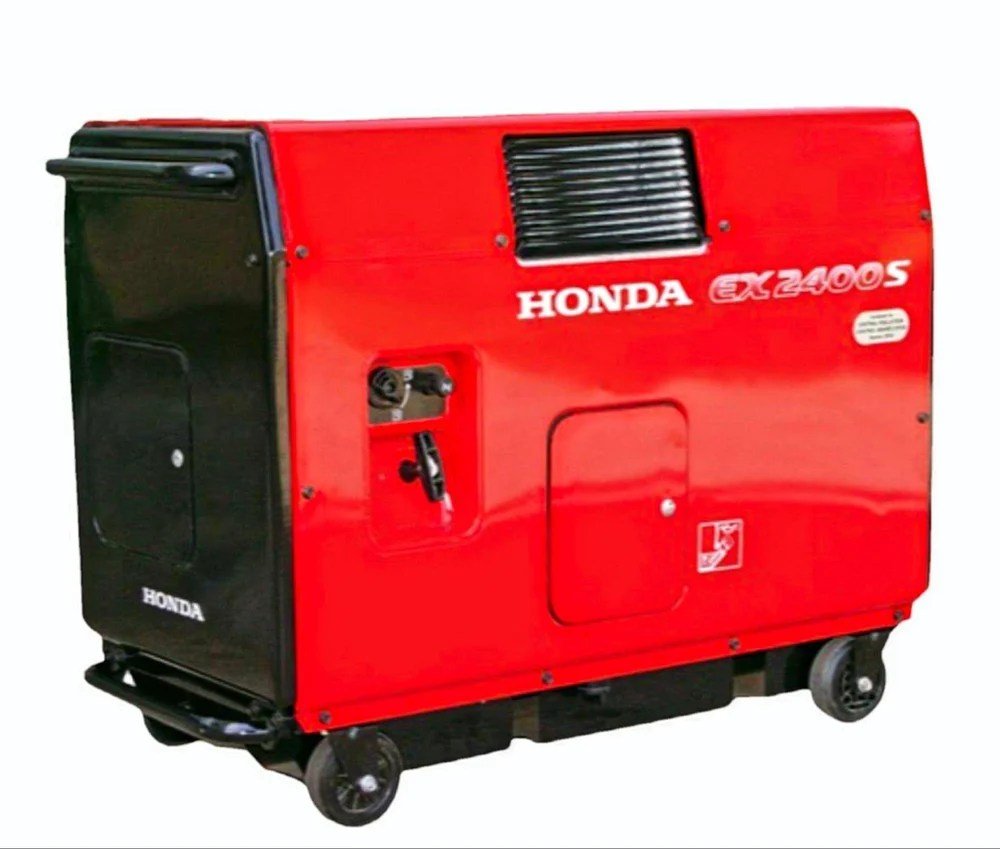
Imagine powering your wilderness campsite without disrupting the chirping crickets, keeping your home humming during an outage without a jarring roar, or running a food truck at an event where conversation, not engine noise, is the star. This isn't a fantasy; it's the everyday reality enabled by portable silent generators. These marvels of modern engineering deliver reliable electricity with a whisper, opening up a world of possibilities for peace-loving adventurers and preparedness-minded homeowners alike.
Gone are the days when a portable generator meant a headache-inducing racket. Today's quiet models leverage advanced technology to offer a serene power solution, ensuring your power needs don't come at the expense of your peace of mind or your neighbors' tranquility. If you're ready to ditch the din and embrace efficient, unobtrusive power, you've come to the right place.
At a Glance: Key Takeaways for Quiet Power Seekers
- Silence is Golden (and Attainable): Aim for generators under 60 decibels (dBA)—many top models operate closer to a normal conversation (50-55 dBA).
- Inverter Technology Reigns: Most truly quiet generators use inverter technology for cleaner power and variable engine speeds, which means less noise and better fuel efficiency.
- Match Power to Purpose: Assess your wattage needs carefully. 1,000-1,600W for camping, 2,000W+ for home essentials, 3,000W+ for larger loads.
- Dual-Fuel Offers Flexibility: Consider models that run on both gasoline and propane for extended runtimes and fuel versatility. Solar options are truly silent but generally lower power.
- Safety First: Always prioritize models with essential safety features like CO (carbon monoxide) sensors, low-oil shutoff, and overload protection.
- Portability Matters: Look for lightweight designs, sturdy handles, and wheels if you plan to move it frequently.
Why Quiet Power Truly Matters
The hum of a traditional generator might be acceptable on a remote construction site, but it's a non-starter for many other applications. This is where the magic of a silent generator comes in.
Comfort and Convenience, Uninterrupted
The most immediate benefit is the sheer comfort. Whether you're enjoying the tranquility of nature at a campsite, hosting a backyard gathering, or trying to sleep during a power outage, a quiet generator lets you do so without the constant, intrusive drone. It means being able to hold a conversation, listen to music, or simply enjoy the peace of your surroundings.
Versatility and Efficiency at Your Fingertips
Quiet generators aren't just polite; they're also highly versatile and efficient. Many come equipped with "eco-modes" that automatically adjust engine speed to match the power demand. This not only significantly reduces noise at lower loads but also conserves fuel, stretching your runtimes and saving you money. They provide clean, stable power, making them safe for sensitive electronics like laptops and smartphones, which traditional "dirty" power generators can damage.
Compliance with Noise Regulations
Many places, from national parks and campgrounds to residential neighborhoods, have strict noise ordinances. A noisy generator can lead to complaints, fines, or even being asked to leave. Opting for a quiet model ensures you stay within acceptable limits, allowing you to power your adventures or necessities without hassle.
The Technology Behind the Hush: How Silent Generators Achieve Their Quiet Ambition
So, how do these generators manage to be so polite? It's a combination of smart engineering and advanced design choices:
- Inverter Technology: This is the game-changer. Unlike conventional generators that run at a constant, high RPM, inverter generators convert raw AC power into DC, then invert it back into clean AC power. This allows the engine to vary its speed based on the power demand. Less demand means lower RPMs, which translates to significantly less noise and better fuel efficiency. Plus, this multi-step process results in "cleaner" power with less than 3% Total Harmonic Distortion (THD), making it safe for all your delicate electronics.
- Advanced Mufflers: Just like the muffler on your car, a generator's muffler plays a crucial role in dampening exhaust noise. Silent generators often feature larger, more sophisticated mufflers with multiple chambers designed to reduce sound waves more effectively.
- Sound-Dampening Enclosures: These generators are typically housed in fully enclosed, insulated casings. These enclosures are lined with sound-absorbing materials that trap engine noise before it can escape, often made from durable, lightweight plastics or composites.
- Anti-Vibration Mounts: Engine vibrations can contribute significantly to noise. Quiet generators incorporate rubber or spring-mounted anti-vibration systems to isolate the engine from the frame, further reducing operational noise.
When these elements combine, you get a generator that operates in the 50-60 decibel range – similar to the sound of a normal conversation (around 60 dBA) or even a quiet refrigerator (around 40 dBA). Compare that to a traditional generator, which can easily hit 70-80+ dBA, akin to a vacuum cleaner or a busy street, and the difference is literally night and day. If you're interested in understanding more about these power solutions, you can Explore silent generators and their innovative designs.
Picking Your Perfect Silent Partner: Key Features to Consider
Choosing the right portable silent generator involves weighing several factors to ensure it meets your specific needs. Here's what to look for:
1. Noise Levels: The Golden Standard
This is likely your top priority. Always check the decibel (dBA) rating.
- Under 60 dBA: Generally considered quiet enough for most applications.
- 50-55 dBA: Ideal for campgrounds, residential areas, or scenarios where minimal disturbance is paramount. This range is comparable to a normal conversation.
- Measurement Distance: Reputable manufacturers will provide the dBA rating measured at a standard distance, often 23 feet (7 meters). Be wary of ratings without this context.
2. Portability: Power on the Move
If it's "portable," it should be easy to move.
- Weight: Lighter models (under 50-60 pounds) are easier to carry. Solar generators are often even lighter.
- Handles & Wheels: Integrated folding handles and sturdy wheels make transportation much simpler, especially for heavier units.
- Compact Design: A smaller footprint makes storage and transport more convenient.
3. Power Output (Wattage): How Much Juice Do You Need?
Generators have two wattage ratings:
- Starting/Peak Watts: The temporary surge of power needed to start motor-driven appliances (like refrigerators, power tools).
- Running/Continuous Watts: The power needed to keep appliances running steadily.
Estimate your needs carefully: - 1,000-1,600 Watts: Perfect for basic camping (lights, phone charging, small electronics) or minor job site use.
- 2,000+ Watts: Recommended minimum for home backup (e.g., refrigerator, a few lights, phone charging).
- 3,000+ Watts: Suitable for running several items concurrently, including larger appliances or power tools.
- 4,500+ Watts: For more robust home backup, RV air conditioners, or multiple larger loads.
4. Fuel Type and Capacity: Powering Your Choice
- Gasoline: Most common for inverter generators, with tank capacities typically ranging from 1 to over 3 gallons. Runtime varies significantly with load.
- Dual-Fuel: Offers the flexibility to run on both gasoline and propane. Propane is cleaner-burning, has a longer shelf life, and can be stored in external tanks, often providing significantly longer runtimes (e.g., 20-pound propane tank).
- Solar (Power Stations): Truly silent and emission-free. They charge via solar panels (often sold separately) or an AC outlet. While generally lower in continuous power output, they are fantastic for quiet, eco-friendly off-grid power, especially for charging devices and running small appliances.
5. Eco-Modes: Efficiency and Silence
Many inverter generators include an "Economy Mode" or "Smart Throttle." This feature automatically adjusts the engine speed to match the electrical load, saving fuel and significantly reducing noise when full power isn't required. It’s a must-have for truly quiet and efficient operation.
6. Starting Options: Convenience at Your Fingertips
- Recoil Start: The traditional pull-cord method. Reliable but can be physically demanding.
- Electric Start: A simple push-button ignition for effortless starting.
- Remote Start: Allows you to start/stop the generator from a distance, often via a key fob or a mobile app. This is a premium convenience feature.
7. Safety Features: Don't Compromise
Never overlook safety. Essential features include:
- CO (Carbon Monoxide) Sensor: Absolutely crucial. This sensor detects dangerous levels of carbon monoxide and automatically shuts down the generator, preventing a silent killer. Many modern units feature technologies like CO Shield, CO-MINDER, or COsense.
- Low-Oil Shutoff: Protects the engine from damage by automatically shutting it down if oil levels drop too low.
- Overload Protection: Prevents damage to the generator and connected appliances by shutting down power if the load exceeds its capacity.
- EPA Compliance: Ensures the generator meets environmental emission standards.
- Output Indicators: Visual cues for power output, fuel level, and maintenance reminders.
8. Parallel Capability (Load Sharing): More Power, Same Peace
Some inverter generators can be linked together using a parallel kit (often sold separately) to double their power output. This is a fantastic option if you occasionally need more power but don't want to buy one large, heavy, and potentially louder generator. You can use two smaller, quieter units instead.
9. Multiple Outlets: Connectivity for All Your Devices
Ensure the generator has the outlets you need:
- 120V AC Outlets: Standard household outlets (at least two recommended).
- RV-Ready Outlets (TT-30R or 30A twist-lock): Essential for RV owners.
- USB Ports: For directly charging phones, tablets, and other small electronics.
- 12V DC Outlet: Useful for charging car batteries or running 12V appliances.
Top Picks for Whisper-Quiet Power: Our Recommended Silent Generators
Based on comprehensive testing, customer feedback, and online research, here are some of the best portable silent generators that deliver on their promise of quiet, reliable power.
Best Overall Option: Westinghouse 2550 Peak Watt Dual Fuel Inverter Generator
This unit often tops lists for its blend of power, quiet operation, and versatility.
- Key Specifications: 2550 peak watts, 1900 running watts. Dual-fuel (gasoline/propane). Noise: as low as 52 dBA. Runtime: ~12 hours on 1.11-gallon gasoline tank at 25% load; up to 34 hours on 20-pound propane tank. Weight: over 43 pounds.
- Features: Less than 3% Total Harmonic Distortion (THD) for clean power, economy mode, CO sensor, low-oil protection, overload protection.
- Ports: RV-ready TT-30R outlet, two 120V 20A outlets, two USB ports.
- Our Take: A robust choice for a variety of uses, from RVing to home backup. Its dual-fuel capability and low noise level make it incredibly adaptable.
Best Budget-Friendly Option: PowerSmart 2500-Watt Gas Powered Portable Inverter Generator
Proof that quiet power doesn't have to break the bank.
- Key Specifications: 2500 starting watts, 1900 running watts. Gasoline only. Noise: 56 dBA at 23 feet. Runtime: ~5.5 hours at 50% load, up to 11 hours at 25% load on 1.06-gallon tank.
- Features: Foldable handle for easy transport, built-in CO sensor.
- Ports: Two 120V AC outlets, one 12V DC outlet, two USB ports.
- Our Take: An excellent entry-level option that provides sufficient power for many needs without a hefty price tag.
Best Lightweight Option: WEN 3600-Watt Portable Inverter Generator
For those who need a bit more power without a significant weight penalty.
- Key Specifications: 3600 starting watts, 2900 running watts. Gasoline only. Noise: ~65 decibels at quarter load. Runtime: ~5 hours at half load on 1.6-gallon tank. Weight: 46 pounds.
- Features: Eco-mode, fuel shutoff, low-oil protection, overload protection, fully enclosed structure.
- Ports: Two 120V three-prong outlets, a 12V DC outlet, a TT-30R RV-ready outlet, two USB ports.
- Our Take: While slightly louder than some at quarter load, its high wattage-to-weight ratio and RV-ready outlet make it a strong contender for those prioritizing portability with substantial power.
Best Compact & Overall Quality: Honda EU2200ITAN 2200-Watt Inverter Generator (and Bob Vila's "Best Overall")
Honda's reputation for reliability and quiet operation is well-deserved. Bob Vila also lists a similar Honda 2200-watt model as a "Best Overall."
- Key Specifications: 2200 watts. Gasoline only. Honda GXR120 commercial series engine. Noise: 48-57 dBA. Runtime: up to 8 hours on 1-gallon tank at 25% load. Weight: 44 pounds (nearly 50 pounds for the Bob Vila pick).
- Features: CO-MINDER technology (CO sensor), low-oil shutoff, overload protection, Smart Throttle (Eco-Mode), clean/consistent current, compatible with Honda My Generator mobile app for remote monitoring, parallel ready (connection kit sold separately).
- Ports: 120V AC outlets, USB ports (some models may not have built-in USB).
- Our Take: A premium choice renowned for its quietness, fuel efficiency, and legendary reliability. Perfect for camping, RVs, and essential home backup.
Best Value for Money Option: Yamaha EF2200iS Inverter Generator
Yamaha brings its engineering prowess to the portable generator market with a focus on value and performance.
- Key Specifications: 2200 starting watts, 1800 running watts. Gasoline only. Noise: ~57 dBA at 1/4 load, up to 65 dBA at full load. Runtime: 9-10.5 hours on 1.24-gallon tank.
- Features: Automatic load-sensing throttle (smart throttle), illuminated LED display, CO sensor, overload protection.
- Ports: Two 120V AC outlets, a 12V DC outlet, an RV-ready standard outlet.
- Our Take: A solid, dependable generator that provides excellent runtime and a good feature set for its price point.
Best for RV Camping & Another Top Dual-Fuel: Champion Power Equipment 2500-Watt Dual Fuel Inverter Generator
Champion is a popular choice for RV enthusiasts due to its features and reasonable price. Bob Vila's "Best for Camping" is the Westinghouse iGen4500, a larger unit suitable for higher demands.
- Champion 2500W Dual Fuel:
- Key Specifications: 2500 starting watts, 1850 running watts (gasoline). Dual-fuel (gasoline/propane). Noise: 53 dBA from 23 feet. Runtime: ~11.5 hours on 1.1-gallon gasoline tank at 25% load; up to 34 hours on 20-pound propane tank. Weight: 39 pounds.
- Features: CO Shield sensor (CO sensor), low-oil shutoff, overload protection.
- Ports: 120V 20A duplex outlet, 12V automotive-style outlet, USB adapter.
- Our Take: Incredibly lightweight and quiet, making it perfect for RVs where space and noise are critical. The dual-fuel option is a major plus for extended trips.
- Westinghouse iGen4500 (Bob Vila's Best for Camping, for higher power needs):
- Key Specifications: 4,500-watt inverter. Gasoline only. Runtime: up to 18 hours on 3.4-gallon tank. Noise: 52 dB(A). Weight: nearly 105 pounds without fuel.
- Ports: 30A outlet, two 20A outlets, two USB ports.
- Our Take: If you need serious power for your RV (like an AC unit) and are okay with a heavier unit, this is a very quiet and capable option.
Emergency Backup & High Power: Generac 7153 GP3300i Portable Inverter Generator (and Generac iQ3500)
Generac offers strong contenders for home backup. The iQ3500 is Bob Vila's "Most User-Friendly."
- Generac GP3300i:
- Key Specifications: 3300 starting watts, 2500 running watts. Gasoline only. Noise: ~52-55 dBA at low loads. Runtime: up to 8 hours at 50% load on 1-gallon tank. Weight: under 60 pounds.
- Features: PowerRush technology (for startup surges), COsense technology (CO sensor), low-oil/overload indicators, Economy Mode, fully enclosed design.
- Ports: Duplex outlets, a 30A twist-lock outlet, two USB ports.
- Our Take: A powerful yet quiet option that can handle significant loads, making it ideal for essential home backup during outages.
- Generac iQ3500 (Most User-Friendly):
- Key Specifications: 3,500-watt inverter. Noise: 56 dB(A) in Eco mode (5 feet), 61 dB(A) in normal mode (5 feet). Weight: 109.1 pounds.
- Features: Push-button starter, easy-to-read LCD screen (power output, fuel level, projected time left), clean/consistent power.
- Ports: 20A duplex outlet, a 30A connection (120V L5-30R, requires adaptor for TT-30P RV cords), two USB ports.
- Our Take: For those wanting higher power and maximum ease of use, the iQ3500 offers a great balance, though it's on the heavier side.
Silent Solar Option: Generac GB2000 Portable Power Station (Bob Vila's Pick)
For ultimate silence and eco-friendliness, a solar power station is unbeatable.
- Key Specifications: Solar-powered (does not include panels). 3,200 peak watts, 1,600 running watts. Charging: 3 to 4 hours via AC outlet. Noise: completely silent (may make small noise when charging via AC outlet). Weight: 43 pounds.
- Features: Expends only power used (energy efficient), rugged/nonslip handle.
- Ports: Three AC ports, four USB ports, a 12V DC port, wireless charging pad.
- Our Take: This is a power station, not a generator in the traditional sense, but it offers completely silent power for smaller loads. Ideal for truly noise-sensitive environments where you don't need to run high-draw appliances for extended periods.
Best Bluetooth Option: Ryobi 2300-Watt Bluetooth Inverter Generator (Bob Vila's Pick)
For tech-savvy users, remote control is a game-changer.
- Key Specifications: 2,300-watt gas generator. Quiet enough for conversation.
- Features: App-controlled (monitoring, shutoff, not start), LED panel. Not suitable for very high-wattage tools.
- Our Take: The Bluetooth connectivity adds a layer of convenience for monitoring and managing your power from a distance, perfect for camping or tailgating.
Another Strong Dual-Fuel Contender: Pulsar 2200-Watt Dual-Fuel Quiet Inverter Generator (Bob Vila's "Best Bang for the Buck")
A great choice for versatility on a budget.
- Key Specifications: 2,200 peak watts, 1,800 running watts. Dual-fuel (gasoline/propane). Runtime: up to 8 hours on 1.18-gallon fuel tank. Noise: stated ~60 dB (sounded like a vacuum cleaner during testing).
- Features: Recoil start. Suitable for light-duty power needs.
- Our Take: While testing indicated it sounded like a vacuum cleaner, its dual-fuel capability at a budget-friendly price point makes it a valuable option for light-duty applications.
Real-World Applications: Where Silent Power Shines Brightest
Silent portable generators aren't just a niche product; they're incredibly useful across a broad spectrum of scenarios.
Camping and RVs: Embrace Nature's Soundtrack
This is perhaps the most common and beloved use case. Imagine running your RV's lights, microwave, or charging your devices without disturbing fellow campers or the serene sounds of the wilderness. Compact, lightweight, and fuel-efficient models with RV-ready outlets are designed specifically for this lifestyle, allowing you to enjoy modern comforts while fully immersing yourself in nature.
Home Backup: Peace of Mind During Outages
When the grid goes down, a silent generator can power critical appliances like your refrigerator, freezer, lights, and phone chargers. Crucially, it does so without adding to the stress of an outage with a deafening roar. This means you can maintain a relatively peaceful home atmosphere, allowing for conversation, reading, or even getting a good night's sleep while the power is out. For larger homes or more extensive backup needs, parallel-capable units or higher-wattage models like the Generac GP3300i are excellent choices.
Outdoor Events and Work Sites: Power Without Disruption
From tailgating parties and outdoor weddings to food trucks and remote work sites, silent generators provide the necessary power without creating a distracting or irritating noise pollution. They help meet noise regulations often found at public events or in residential areas, ensuring your activities run smoothly and harmoniously. For professionals, this means being able to run tools or equipment without causing a commotion. To learn more about how quiet generators can transform your outdoor experiences, remember to Explore silent generators further.
Understanding the Sound Metrics: Measuring Generator Noise Levels
When manufacturers quote decibel ratings, it's helpful to understand what those numbers mean and how they're measured.
- Decibel (dB) Ratings: This is the unit of sound intensity. Remember that the decibel scale is logarithmic, meaning a small increase in dBA represents a much larger increase in sound intensity. For instance, a 70 dBA generator isn't just "twice as loud" as a 60 dBA one; it's perceived as significantly louder. Aim for that 50-60 dBA benchmark for true quiet.
- Measurement Distance: The industry standard for measuring generator noise is typically from 23 feet (7 meters). Always verify this distance. A generator might sound quieter at 50 feet, but its rating should reflect the closer, standard measurement.
- Decibel Meter: If you're curious about a generator's real-world performance, a simple decibel meter app on your phone can give you a rough idea, though professional equipment is more accurate.
- Load Conditions: Noise levels vary. A generator running at idle (no load) will be much quieter than one running at full load. Always check the dBA rating at different load conditions (e.g., 25% load, 50% load, full load) to get a complete picture. Eco-modes are specifically designed to minimize noise at lower loads.
- Noise-Reducing Features: Look for specific mentions of advanced mufflers, soundproof enclosures, and vibration-dampening technology in product descriptions. These are the components actively working to keep things quiet.
Keeping Your Generator Quiet: Maintenance & DIY Solutions
Even the quietest generator can get a bit noisy if not properly maintained or positioned. Here's how to ensure it stays a whisper, not a roar.
Regular Maintenance for Optimal Sound
- Oil Changes: Clean oil ensures the engine runs smoothly and efficiently. Old, sludgy oil can increase friction and thus noise. Follow your manufacturer's recommended oil change schedule.
- Air Filter Cleaning/Replacement: A clogged air filter restricts airflow, making the engine work harder and louder. Keep it clean.
- Spark Plug Inspection: A fouled or worn spark plug can lead to inefficient combustion and increased engine noise.
- Tighten Loose Parts: Vibrations can loosen bolts and panels over time. Periodically check and tighten any loose components that could rattle.
Muffler Upgrades
While a factory muffler is designed for quietness, some enthusiasts opt for aftermarket high-performance mufflers that can offer further sound reduction, especially on traditional generators. Ensure any modifications don't void your warranty.
Proper Positioning
Where you place your generator makes a significant difference:
- Flat, Stable Surface: Uneven ground can cause vibrations and rattling.
- Vibration-Dampening Mat: Place a rubber mat or anti-vibration pad underneath the generator to absorb vibrations and prevent them from transferring to the ground or other surfaces, which can amplify noise.
- Distance: The further away a generator is, the quieter it will sound (always ensure you are using appropriate extension cords and not exceeding their ratings). Remember to factor in proper ventilation and exhaust direction.
DIY Noise Reduction Techniques
For those looking to go the extra mile, here are some DIY options, always prioritizing safety and ventilation:
- Noise-Reducing Mats or Covers:
- Rubber or Anti-Vibration Mat: As mentioned, this is a simple, effective first step.
- Insulated or Soundproof Covers: You can purchase or craft a simple cover using sound-absorbing materials. CRITICAL: Ensure any cover allows for ample airflow and exhaust clearance to prevent overheating and carbon monoxide buildup. Never completely enclose a running generator without engineered ventilation.
- DIY Sound Barriers:
- Create a three-sided enclosure using sturdy plywood sheets.
- Line the inside of the plywood with acoustic foam panels, sound-deadening mats, or even thick old blankets.
- Position the open side away from your primary listening area.
- Ventilation is paramount: Leave at least 2-3 feet of space between the barrier and the generator on all enclosed sides to allow for proper cooling and exhaust dispersal. The top should ideally be open or vented.
- Baffle Boxes (Advanced DIY):
- This is a more complex, fully enclosed box designed to trap sound.
- Build a sturdy box with inlets for cool air and an outlet for the exhaust.
- Line the interior with high-density acoustic insulation (e.g., mass loaded vinyl, rock wool, or thick carpeting).
- Install small ventilation fans at the air intake and exhaust ports to ensure constant airflow, preventing overheating.
- Create a clear, direct opening for the exhaust pipe, directing it safely away from the box and any occupied spaces.
- Caution: Building a baffle box requires careful planning to ensure it's safe, especially regarding ventilation and fire hazards. Improper ventilation can lead to overheating, engine damage, and dangerous CO accumulation.
Important Safety Reminders: Powering Responsibly
No matter how quiet your generator is, safety must always be your top priority.
- Carbon Monoxide (CO) is Invisible and Deadly: Never run a gasoline or propane generator indoors, in a garage, carport, or any enclosed space. Generators produce carbon monoxide, an odorless, colorless gas that can be fatal. Position generators outdoors, far from windows, doors, and vents. Always use generators with a built-in CO sensor.
- Proper Ventilation is Key: Even outdoors, ensure the generator has plenty of clear space around it for air circulation to prevent overheating and allow exhaust gases to dissipate.
- Fuel Handling: Store fuel in approved containers, away from living areas and heat sources. Never refuel a hot or running generator.
- Extension Cords: Use heavy-duty, outdoor-rated extension cords that are properly sized for the electrical load. Inspect cords for damage before each use.
- Grounding: Follow the manufacturer's instructions for proper grounding to prevent electrical shock.
- Professional Installation for Home Backup: If you plan to connect your generator directly to your home's electrical system, this must be done by a qualified electrician using a transfer switch to avoid backfeeding electricity into the utility lines, which can endanger utility workers.
The Bottom Line: Powering Your Adventures, Quietly
Portable silent generators represent a significant leap forward in portable power technology. They offer the invaluable combination of reliable electricity and peaceful operation, making them indispensable for everything from off-grid adventures to crucial home backup. By understanding their features, selecting the right model for your needs, and adhering to strict safety protocols, you can unlock a world of convenient, quiet power.
Invest in a quiet generator, and you're not just buying a machine; you're investing in comfort, versatility, and the serenity that comes with powering your life without raising a ruckus. Enjoy the power, embrace the quiet.