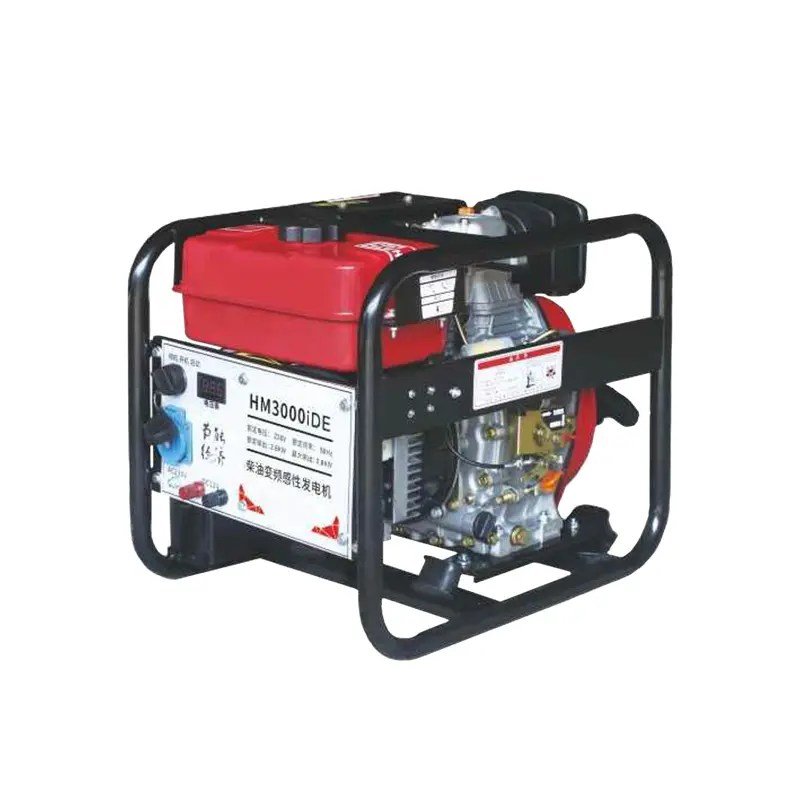
Picture this: The power goes out, or you’re far from the grid, craving a quiet, reliable energy source for everything from your laptop to your RV’s AC. Traditional generators often rumble, guzzle fuel, and sometimes even damage sensitive electronics with their raw, fluctuating power. But what if there was a smarter way to generate electricity on the go? Enter the inverter generator, a marvel of modern engineering that has revolutionized portable power. This guide dives deep into Inverter Generator Technology Explained, revealing how these sophisticated machines produce electricity so clean and stable, it often surpasses the power coming from your wall outlet.
At a Glance: What Makes Inverter Generators Different?
- Clean Power: Produces electricity with a smooth, pure sine wave, essential for protecting sensitive electronics like laptops, smartphones, and medical devices.
- Multi-Stage Conversion: Converts raw engine power through a clever AC-DC-AC process to refine and stabilize the output.
- Fuel Efficient: Adjusts engine speed automatically to match the power demand, saving fuel and extending runtime.
- Quiet Operation: Runs significantly quieter than traditional generators thanks to variable engine speed and advanced sound dampening.
- Compact & Portable: Often lighter and smaller, making them easier to transport for camping, RVing, or job sites.
- Superior Surge Handling: Reacts instantly to sudden increases in power demand, maintaining stable output without sputtering.
The Problem with Raw Power: Why Traditional Generators Fall Short
For decades, conventional generators were our go-to for backup power. They're straightforward: an engine spins an alternator, which directly pumps out alternating current (AC) electricity. Simple, right? The catch is, this "raw" AC isn't always pretty. It often comes with significant voltage spikes, frequency fluctuations, and what engineers call high Total Harmonic Distortion (THD).
Think of THD like static on a radio signal. While a heavy-duty power tool might shrug off this "dirty" power, your smart TV, sophisticated coffee maker, or essential CPAP machine cannot. High THD can cause flickering screens, buzzing audio, inefficient operation, and, in worst-case scenarios, permanent damage to the delicate microprocessors within your modern electronics. Traditional generators typically have a THD of 15-25%, a level far too high for today's technology. This fundamental limitation spurred the innovation of inverter technology, demanding a cleaner, more controlled power solution.
The Genius Behind the Hum: How Inverter Generators Actually Work
At its heart, an inverter generator’s magic lies in its multi-stage power conversion process. It doesn't just generate electricity; it refines it, transforming rough, unpolished power into a pristine energy stream. This sophisticated dance of electronics ensures your devices receive power that's often cleaner than what you get from the utility grid.
Here’s the step-by-step breakdown:
- The Initial Spark: Raw AC Generation
It starts much like a traditional generator: a fuel-powered engine (gasoline, propane, or diesel) revs up and spins a multi-pole alternator. This initial action generates alternating current (AC) electricity. However, unlike traditional models, this raw AC is not immediately sent to your outlets. At this stage, its frequency and voltage are variable and highly dependent on the engine's RPM, much like a rough draft before editing. - The First Transformation: AC to DC
Before it can be refined, this raw AC power needs to be standardized. The electricity flows from the alternator into a component called a rectifier. The rectifier's job is to convert this fluctuating alternating current (AC) into stable direct current (DC) power. Imagine smoothing out a choppy ocean wave into a steady, flowing river. This DC conversion allows the generator to "store" and process the energy in a more controlled state, paving the way for precise refinement. - The Brains of the Operation: Microprocessor & Control Board
Here's where the "smart" in inverter generator truly comes alive. The stabilized DC power then travels to a highly sophisticated microprocessor, acting as the generator's brain. This microprocessor, along with its control board, continuously monitors the load demand from your plugged-in devices—thousands of times per second! It digitally processes the DC current, building a precise, controlled electrical waveform from scratch. This isn't just a simple conversion; it's an active construction, setting the exact final frequency (e.g., 60 Hz in North America), voltage (e.g., 120V), and, critically, the signal purity. - The Final Polish: DC to Pure Sine Wave AC
In the final stage, an inverter component takes that digitally processed DC power and "inverts" it back into alternating current (AC). But this isn't just any AC. Thanks to the microprocessor's precise control, it’s a perfectly sculpted pure sine wave output. This waveform closely mimics the smooth, consistent electricity you receive from the utility grid, characterized by incredibly low Total Harmonic Distortion (THD), typically less than 3% under normal operating conditions. This controlled, multi-stage process ensures that regardless of fluctuations in engine speed or load changes, the power delivered to your devices remains perfectly stable and clean.
Beyond the Basics: What Makes Inverter Generators So Superior?
Understanding how they work is one thing, but appreciating the real-world benefits is another. Inverter generators aren't just a slight improvement; they're a paradigm shift in portable power, offering advantages that directly impact your comfort, safety, and wallet.
Pristine Power: Protecting Your Precious Electronics
The single most significant advantage of inverter technology is its ability to produce a pure sine wave output with extremely low Total Harmonic Distortion (THD). While traditional generators can send ripples and spikes through their power output (with THD often exceeding 15%), inverter generators boast a THD usually below 3%. Why does this matter so much?
Modern electronics, from your laptop and smartphone to complex medical devices like CPAP machines and sophisticated RV control boards, rely on a smooth, consistent electrical signal. Dirty power can cause:
- Damage: Over time, voltage spikes and frequency fluctuations can degrade internal components.
- Malfunctions: Devices might reset, freeze, or operate erratically.
- Noise: Audio equipment might hum, and screens might flicker.
- Inefficiency: Appliances might draw more power than needed, wasting electricity and generating heat.
With an inverter generator, you can confidently plug in your most sensitive devices, knowing they're receiving power as clean, or even cleaner, than what you get from the wall. This protection extends the lifespan of your electronics and ensures their reliable operation, whether you're working remotely or enjoying off-grid leisure.
Whisper-Quiet Operation: Power Without the Racket
One of the first things you notice about an inverter generator is its remarkable quietness. Unlike traditional models that roar at a fixed, high RPM regardless of the power drawn, inverter generators are masters of discretion. This quiet operation stems from several clever design elements:
- Flexible Engine Speed: The engine's RPM adjusts in real-time to match the load demand. If you're only charging a phone, the engine idles at a low speed, barely a whisper. When you fire up an air conditioner, the engine rapidly increases speed to meet the demand, then settles back down when the load decreases.
- Insulated Housings: Most inverter generators feature fully enclosed, insulated housings that act as sound barriers, trapping engine noise.
- Advanced Mufflers: Sophisticated exhaust systems are designed to significantly dampen engine sound.
- Anti-Vibration Mounts: These prevent engine vibrations from resonating through the frame, further reducing noise.
The result? Inverter generators typically operate in the 52-65 dB range, comparable to a normal conversation or an air conditioner running. This makes them ideal for environments where noise pollution is a concern, such as campgrounds, RV parks, tailgating events, or even residential areas during a power outage. For more details on finding quiet solutions, explore Your guide to silent generators.
Fuel Efficiency & Longer Runtimes: Smart Power Management
The ability to adjust engine speed isn't just about noise; it's a game-changer for fuel economy. Since the engine only works as hard as it needs to, it consumes significantly less fuel, especially when running at partial loads. This translates directly into:
- Lower Fuel Consumption: You'll spend less money at the pump and carry less fuel.
- Extended Runtimes: A smaller fuel tank can power your devices for much longer, sometimes doubling the runtime compared to a conventional generator of similar capacity.
- Reduced Engine Wear: Less strain on the engine prolongs its lifespan and reduces maintenance needs.
- Cleaner Emissions: Burning less fuel means fewer harmful emissions, making them a more environmentally friendly choice.
Many inverter generators also feature an "Eco Mode" or "Economy Throttle" switch. Engaging this mode allows the generator to automatically optimize engine speed, ensuring maximum fuel efficiency and lowest noise output.
Handling the High Demands: Superior Surge Capability
Devices with electric motors, like refrigerators, air conditioners, and power tools, require a brief but significant burst of power—known as "starting watts" or "surge watts"—to kick on. This initial surge can be 2-3 times higher than their continuous running wattage.
Inverter generators are exceptionally good at handling these sudden demands. Their microprocessor brains constantly monitor the load. When a surge is detected, the system instantly communicates with the engine, rapidly increasing its RPM to provide the necessary power. The beauty is, this happens so quickly and smoothly that the output voltage and frequency at your outlets remain stable. This prevents brownouts (temporary dips in voltage) or complete shutdowns that can plague less sophisticated generators, ensuring your high-demand appliances start reliably every time.
Where Inverter Power Shines: Real-World Applications
The unique benefits of inverter technology make these generators indispensable for a variety of uses, from everyday convenience to critical backup.
Keeping Your Home Running: Essential Backup
When the grid goes dark, an inverter generator can be a lifeline. While typically not designed to power an entire house, they excel at maintaining essential operations without overwhelming noise or excessive fuel consumption.
- Kitchen Essentials: Keep your refrigerator and freezer running, preventing food spoilage.
- Communication & Work: Power your router, charge laptops, and keep your phone alive, allowing you to stay connected and productive even during extended outages.
- Lighting & Comfort: Run a few lamps, fans, or even a small space heater (depending on wattage), ensuring basic comfort and visibility.
- Medical Devices: Crucially, if you rely on a CPAP machine or other sensitive medical equipment, an inverter generator provides the clean, stable power necessary for safe and uninterrupted operation.
Adventures on the Go: RV and Camping Companion
For outdoor enthusiasts, inverter generators are the gold standard. Their quiet operation and clean power make them perfect companions for hitting the open road or enjoying remote wilderness.
- RV Comfort: Many models are powerful enough to start and run a 13,500 BTU air conditioner, making summer RV trips comfortable. They can also charge your RV's batteries and power all your onboard electronics.
- Quiet Campsites: Enjoy the sounds of nature, not the roar of a generator. Inverter generators blend into the background, allowing you to power lights, charge cameras, and run small appliances without disturbing fellow campers or local wildlife.
- Tailgating & Events: Provide reliable, unobtrusive power for blenders, TVs, music systems, and food warmers, enhancing any outdoor gathering.
Powering the Pros: Job Site Reliability
Tradespeople and contractors increasingly turn to inverter generators for their remote power needs. The stable power protects expensive tools and ensures consistent performance.
- Sensitive Tools: Operate power tools like saws, drills, and grinders without fear of damage from voltage spikes.
- Lighting: Illuminate work areas safely and effectively.
- Charging Stations: Keep batteries for cordless tools topped up throughout the day.
- Portable Solutions: Models like the Honda EU2200i or Champion 4250W offer a combination of portability and robust power, making them easy to move around varied job sites and deliver reliable solutions where conventional grid power isn't available.
Demystifying Common Inverter Generator Questions
Navigating generator options can feel complex. Let's tackle some frequently asked questions about inverter technology.
Are All Inverter Generators Quiet?
While inverter generators are significantly quieter than traditional models by design, the exact noise level can vary. Smaller units tend to be quieter (e.g., 50-55 dB), while larger, more powerful units may reach 60-65 dB under full load. Always check the manufacturer's specified decibel rating, typically measured at 25% load from 23 feet, to ensure it meets your specific quietness requirements.
Can I Really Run Anything on an Inverter Generator?
Within their wattage limits, yes. The key is "within their wattage limits." The clean, stable power means you can run even the most sensitive electronics. However, you must match the generator's output (running watts and starting watts) to the demands of your appliances. A small 2000-watt inverter generator won't power your central air conditioning, but a larger 4000-watt unit might, especially if it has good surge handling.
What is 'Pure Sine Wave' and Why Do I Need It?
"Pure sine wave" refers to the smooth, rounded, symmetrical waveform of the alternating current (AC) electricity. It's the ideal form of electricity, identical to what comes from your wall outlets (and often even cleaner). You need it because sensitive electronics, which are ubiquitous in modern life, are designed to operate on this precise waveform. Anything less (like a "modified sine wave" or "square wave" from some cheaper inverters or traditional generators) can stress components, generate heat, and lead to malfunctions or damage.
Are Inverter Generators More Expensive?
Generally, yes, the initial purchase price of an inverter generator is higher than a conventional generator of comparable wattage. This higher cost reflects the sophisticated multi-stage electronics, advanced engine technology, and superior construction required to achieve their benefits. However, when you factor in the long-term savings from significantly better fuel efficiency, reduced engine wear, and the protection of your valuable electronics, the total cost of ownership often evens out or even favors the inverter model over its lifespan. For many users, the benefits of quiet operation and clean power far outweigh the initial price difference.
What Does "Parallel Capability" Mean for Inverter Generators?
Many inverter generators, especially smaller models, come with "parallel capability." This allows you to link two identical (or sometimes specific compatible) inverter generators together using a parallel kit. By combining their power output, you effectively double your available wattage. This is a brilliant feature for those who need flexibility – you can run one generator for light loads or link two for heavier demands, such as powering an RV's air conditioner and microwave simultaneously, without having to buy one very large, heavy, and less portable generator.
Choosing Your Inverter Generator: Key Considerations
Ready to experience the benefits of inverter technology? Here’s what to keep in mind when selecting the right model for your needs:
- Determine Your Wattage Needs:
- Running Watts: The continuous power needed for your devices.
- Starting Watts (Surge Watts): The brief extra power needed for motor-driven appliances to start.
- List all the appliances you plan to run simultaneously, identify their running and starting watts, and factor in a little extra buffer. This is the most crucial step.
- Portability & Weight:
- Inverter generators come in various sizes. If you need to move it frequently (camping, job sites), prioritize lighter, more compact models, possibly with wheels and telescoping handles. If it's for stationary home backup, weight might be less of a concern.
- Fuel Type:
- Most run on gasoline, but dual-fuel models (gasoline and propane) offer flexibility, especially since propane has a longer shelf life and burns cleaner. Tri-fuel options also exist.
- Noise Level (dB):
- Check the decibel rating at a specified load and distance. Lower numbers mean quieter operation. This is especially important for campgrounds or residential areas.
- Runtime:
- Look for the runtime at a specific load (e.g., 25% load). A longer runtime means fewer refueling stops.
- Outlets & Features:
- Outlet Variety: Ensure it has the types of outlets you need (e.g., 120V AC household, 30A RV outlet, USB ports).
- Electric Start: A push-button start is a convenient feature, especially in cold weather or for those who prefer not to use a pull cord.
- Fuel Gauge: Essential for monitoring fuel levels.
- Display Screen: Can show voltage, frequency, and hour meter for maintenance tracking.
- Brand Reputation & Support:
- Stick with reputable brands known for reliability and good customer service. Research reviews and warranty offerings.
- Budget:
- Inverter generators represent an investment. Balance your desired features and wattage with what you're comfortable spending, keeping in mind the long-term value.
Embrace the Future of Portable Power
Inverter generator technology has fundamentally changed what we expect from portable power. No longer do you have to choose between reliable electricity and quiet comfort; you can have both. From safeguarding your most sensitive electronics during a home outage to powering your entire RV adventure with a gentle hum, these sophisticated machines offer a level of performance, efficiency, and convenience that traditional generators simply can't match.
By understanding the ingenious multi-stage conversion process and appreciating the tangible benefits of clean power, adjustable engine speed, and superior noise reduction, you're now equipped to make an informed decision. Whether you're preparing for emergencies, embarking on outdoor escapades, or powering remote work, an inverter generator is more than just a power source—it's an investment in peace of mind, extended device lifespan, and a more enjoyable, empowered experience. Explore the options, assess your specific needs, and step into the future of reliable, refined portable power.