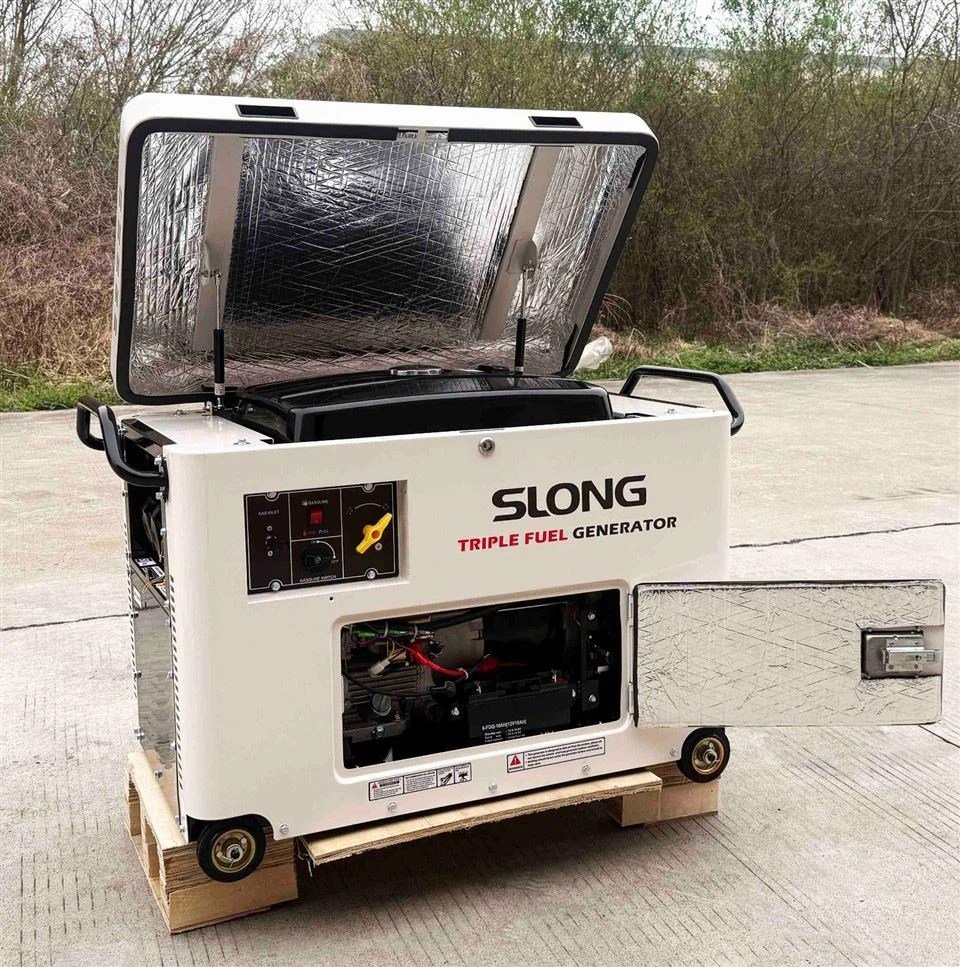
In an increasingly connected world, power outages aren't just inconvenient; they can disrupt everything from remote work and online learning to essential medical equipment and home security. When the lights go out, a home standby generator springs to life, offering seamless backup. But for many homeowners, the rumbling roar of a traditional generator shatters the peace, adding stress rather than relief. Enter the Home Standby Silent Generator—a marvel of modern engineering designed to restore power without sacrificing your tranquility.
These sophisticated systems represent the pinnacle of residential backup power, combining robust performance with whisper-quiet operation. Imagine your home bathed in light, your fridge humming, and your Wi-Fi streaming, all while the generator outside purrs at a volume no louder than a casual conversation. That's the promise of a truly silent standby generator.
At a Glance: Why Silence Matters
- Seamless Power, Undisturbed Peace: Automatically restores power without intrusive noise.
- Neighbor-Friendly Operation: Meets or exceeds most municipal noise ordinances.
- Stress Reduction: A quiet environment during an outage enhances comfort and safety.
- Advanced Engineering: Achieves quietness through sophisticated design, materials, and technology.
- Investment in Comfort: While often a premium, the value of tranquility is immeasurable.
- Permanent & Automatic: Sits outside your home, ready to activate the moment power drops.
Beyond the Grid: What is a Home Standby Generator?
Unlike portable generators that require manual setup, fueling, and extension cords, a home standby generator is a permanently installed fixture. It's essentially your home's personal power plant, always on alert. These units are connected directly to your home's electrical system, typically near your main breaker panel, and fueled by natural gas or propane from your existing supply.
The magic happens with an Automatic Transfer Switch (ATS). This intelligent device continuously monitors the utility power coming into your home. The moment it detects an outage, it seamlessly disconnects your home from the utility grid and signals the generator to start. Within seconds, your home is powered, often before you even realize the lights flickered. When utility power is restored, the ATS reverses the process, shutting down the generator and returning your home to grid power. It’s a set-it-and-forget-it solution, offering true peace of mind.
The Silent Revolution: Why Quiet Matters More Than Ever
For years, the trade-off for reliable backup power was often a noisy generator that could easily drown out conversation, disturb neighbors, and add to the general stress of an emergency. A standard standby generator might produce noise levels between 65-75 dB at 23 feet—comparable to a vacuum cleaner or a busy street. This isn't just an annoyance; long-term exposure to noise above 70 dB can contribute to stress, sleep disturbances, and a general decline in well-being, especially during already trying times.
Today, manufacturers have embraced a "silent revolution," recognizing that true comfort during an outage means minimizing disruption in every sense. Many municipalities also have noise ordinances, making ultra-quiet operation a practical necessity for maintaining good neighborly relations. The goal is to achieve noise levels comparable to normal conversation, typically around 60 dB or lower, often measured from 23 feet away. This focus on quiet design transforms the experience, allowing you to carry on with your daily life—working, sleeping, relaxing—without the intrusive drone of a generator just outside your window.
Unpacking the "Silent" in Silent Generators: How They Muffle the Roar
Achieving "silent" operation in a powerful machine is no small feat. It's a testament to advanced engineering, meticulous design, and the clever application of acoustic science. Understanding how these generators manage noise reveals the true value behind their premium price tag.
Let's break down where generator noise comes from and how leading manufacturers tackle it:
Sources of Generator Noise
- Engine: The primary culprit. Internal combustion engines generate mechanical noise from moving parts and the sounds of fuel ignition.
- Exhaust System: Unmuffled exhaust is incredibly loud, as hot gases rush out at high velocity.
- Cooling Fans: Generators need powerful fans to prevent overheating, and these moving blades create a distinct, often high-pitched whir.
- Alternator: The component that converts mechanical energy into electricity can produce an electrical whine.
- Vibrations: The engine's operation creates vibrations that can resonate through the generator's housing and even transfer to the mounting pad, amplifying noise.
Advanced Noise Reduction Techniques
Silent standby generators employ a multi-pronged approach to tackle each noise source:
- Sound-Insulated Enclosures: This is often the most visible feature. Instead of thin metal, quiet generators are encased in robust, weather-protective enclosures made from sound-dampening materials like foam-lined steel, aluminum, or composite panels. These enclosures aren't just shells; they're designed with advanced airflow patterns that minimize noise leakage while ensuring proper ventilation.
- Sophisticated Muffler & Exhaust Systems: Just like a car, a generator needs a high-quality muffler. Silent models go further, often incorporating "hospital-grade" or "critical-grade" mufflers. These feature multi-stage designs with resonator chambers and precise baffling to significantly dampen exhaust noise before it escapes. Proper exhaust direction—often angled away from living areas or neighbors—also plays a role.
- Anti-Vibration Engineering: To combat vibrations, engineers use specialized rubber isolation mounts and multi-point isolation systems that absorb engine movement. The generator itself is often mounted on a sturdy concrete pad, often with additional isolation materials, to prevent vibrations from transferring to the ground or nearby structures.
- Specialized Cooling Systems: Instead of high-RPM, noisy fans, quiet generators often utilize larger, slower-moving cooling fans that operate more efficiently and quietly. Their airflow design is optimized to draw air effectively without creating excessive turbulence or fan noise.
- Purpose-Built Engine Design: The engine itself is a key component. Many quiet generators feature multi-cylinder, liquid-cooled engines. Liquid-cooled engines are inherently quieter than air-cooled ones, and multi-cylinder designs run smoother with less vibration than single-cylinder counterparts. Precision-balanced components further reduce mechanical noise.
- Inverter Technology (where available): While less common in large standby units, some smaller models might incorporate inverter technology. This allows the engine to run at variable speeds, precisely matching the power demand. During periods of low demand, the engine can slow down, significantly reducing noise and improving fuel efficiency.
By combining these sophisticated techniques, manufacturers can achieve truly remarkable reductions in operational noise, transforming a potentially disruptive machine into a discreet guardian of your home's power. For a deeper dive into the world of quiet power, consider exploring your complete silent generator resource.
Deciphering Decibels: What "Quiet" Really Sounds Like
When we talk about generator noise, the unit of measurement is the decibel (dB). It's a logarithmic scale, meaning a small increase in dB represents a significant increase in perceived loudness. For context:
- Normal conversation: ~60 dB
- Refrigerator hum: ~40 dB
- Vacuum cleaner: ~70-75 dB
- Lawnmower: ~90 dB
Standard unmodified standby generators typically range from 65-75 dB at 23 feet. Quieter models bring this down to 58-65 dB. The truly premium, quietest models aim for under 60 dB at 23 feet, making them comparable to normal conversation—a remarkable feat for a machine generating tens of thousands of watts of power.
For instance, the Cummins QuietConnect™ series boasts best-in-class noise levels of 65 dB or lower, positioning them firmly in the "quiet" category. Some Champion models go even further, with an 8.5-kW unit rated at a mere 59.5 dB. Even during their weekly exercise cycles, these units are designed to run at half-speed, producing only about 57 dB—barely noticeable.
Finding Your Quiet Powerhouse: A Step-by-Step Selection Guide
Choosing the right quiet standby generator involves more than just looking at the decibel rating. It's about matching the unit to your specific needs, budget, and property.
1. Assess Your Power Needs
First, determine what you absolutely need to power during an outage. Are you looking for whole-house coverage, or just essential circuits?
- Essential Circuits (8-14kW): This typically covers critical items like your refrigerator, freezer, a few lights, furnace fan, well pump, and perhaps a few outlets for charging devices.
- Whole-House Coverage (14-22kW+): This allows you to power most, if not all, of your home's systems, including central air conditioning, electric ovens, and multiple large appliances simultaneously.
List all the appliances and systems you want to run, noting their starting watts (the surge of power needed to kick on) and running watts. This calculation is crucial for sizing your generator correctly. An expert electrician can help you perform an accurate load calculation.
2. Choose Your Fuel Wisely
The fuel type impacts not only operational cost and logistics but also noise levels.
- Natural Gas: The most convenient option if you have an existing natural gas line. It offers an endless supply (no refueling) and is generally quieter than diesel.
- Liquid Propane (LP): Stored in tanks on your property. Provides a clean burn, similar noise profile to natural gas, but requires monitoring and refilling of tanks. Excellent for rural areas without natural gas access.
- Diesel: Generally louder than natural gas or propane generators, but highly fuel-efficient. Requires a large, on-site fuel tank and can have higher maintenance costs. Less common for residential silent applications.
- Dual/Tri-Fuel Options: Some generators can switch between fuel types, offering flexibility, though less common in large standby units.
3. The Brains of the Operation: Automatic Transfer Switches
The ATS is the intelligence behind your standby generator. Look for models with electronic controls that ensure smooth, quiet transitions between utility and generator power. Some advanced ATS units offer "smart load management" capabilities, which can prioritize and shed non-essential loads (like a second AC unit) to prevent system overloads when multiple high-demand appliances start at once. This intelligent management optimizes generator performance and can even allow you to size a slightly smaller (and often quieter) generator for your needs. Consider positioning the ATS away from bedrooms if possible, as it can make a soft "clunk" sound during transfers.
4. Monitor from Afar: Remote Diagnostics & Connectivity
Modern quiet standby generators often come equipped with smart features that enhance convenience and peace of mind.
- Wi-Fi Connectivity: Allows you to monitor your generator's status, fuel levels, and exercise schedule from your smartphone or computer, anywhere with an internet connection.
- Smartphone Alerts: Receive immediate notifications if there's a power outage, the generator starts, or if any maintenance issues arise.
- Self-Testing Features: Generators perform weekly or bi-weekly exercise cycles to ensure they're ready. Quiet models often have "quiet-test" modes that run at lower RPMs for reduced sound during these tests, typically around 57 dB.
Top Contenders for Quiet Operation: A Glimpse at Leading Models
Several manufacturers lead the pack in producing quiet home standby generators. Here’s a look at some notable options:
- Cummins QuietConnect™ Series: As a century-old leader in power generation, Cummins offers its QuietConnect™ series specifically engineered for residential silence. These US-made generators boast "best-in-class" noise levels of 65 dB or lower, comparable to normal conversation. Key features include remote diagnostics, highly efficient operation, compact design, durability, and intelligent load management. They offer customizable backup power and essential accessories like Cold Weather Kits and Load Management Kits. Customer satisfaction ratings are consistently high (4.5 out of 5 stars), backed by a competitive base warranty and extended options up to 10 years.
- Champion 8.5-kW: This model stands out with an impressive noise rating of 59.5 dB, making it one of the quietest on the market. It features a low-tone muffler, sound-dampening liner, and a unique gullwing enclosure for both noise reduction and easy access. The 24V starting system ensures reliable operation down to -22°F. It typically includes a 50-amp outdoor-rated ATS, offering excellent reliability and value with a 10-year limited warranty.
- Champion (22kW/19.8kW): For whole-house power, Champion offers larger units with advanced sound dampening and low-tone mufflers. While slightly louder than their smaller counterpart at around 67 dB, they still aim for reduced noise compared to other generators of this size. Features include Power Line Carrier technology and aXis technology for managing high-demand appliances, plus robust weatherproofing. These powerful units (22,000 watts on propane / 19,800 watts on natural gas) also come with a 10-year limited warranty.
- Kohler 20RCAL-200SELS: Kohler generators are known for their robust, commercial-grade engines. The 20RCAL, running at 71 dB, isn't as quiet as the top-tier silent models but is often praised for its PowerBoost technology, which helps start large loads smoothly. It offers 20kW on liquid propane and 18kW on natural gas, typically including an RXT 200-amp outdoor-rated ATS. While not the quietest, its commercial-grade engine ensures durability and reliability.
- Generac Guardian (14kW): Generac is a widely recognized name in home standby generators. The 14kW Guardian series typically offers a mix of user experiences regarding noise, though propane operation is often cited as quieter. These units feature True Power Technology (<5% harmonic distortion) for clean, safe power, a G-Force engine for efficiency, and Mobile Link WiFi connectivity. They often come with a 200-amp transfer switch for whole-house coverage.
It's important to note that noise ratings can vary slightly depending on installation, fuel type, and surrounding environment. Always check the manufacturer's specifications and user reviews for the most accurate information.
Beyond the Box: Strategic Installation for Optimal Silence
Even the quietest generator can become a nuisance if not installed correctly. Strategic placement and professional installation are crucial for maximizing your investment in tranquility.
Placement Considerations
- Distance is Your Friend: Position the generator as far as practical from bedrooms, living areas, and neighboring property lines. Sound dissipates over distance.
- Mind the Wind: Consider prevailing winds in your area. You want noise to be carried away from your home and your neighbors, not towards them.
- Avoid Sound Reflection: Hard surfaces like fences, walls, or the side of your house can reflect and amplify sound. Try to avoid placing the generator directly facing such surfaces.
- Local Ordinances: Always check local noise ordinances and setback requirements before deciding on a location.
Landscaping and Physical Barriers
Thoughtful landscaping can act as a natural sound barrier:
- Dense Shrubs & Trees: Plant dense, evergreen shrubs or small trees between the generator and noise-sensitive areas. While they won't eliminate noise, they can help absorb and diffuse it.
- Sound-Absorbing Fences/Walls: Consider a specialized sound-absorbing fence or wall made from materials designed to dampen acoustics, ensuring adequate airflow for the generator.
The Value of Professional Installation
A certified electrician specializing in generator installation will ensure proper wiring, fuel line connections, and adherence to all local codes. Crucially for quiet operation, they can also:
- Implement Vibration Isolation: Ensure the generator is mounted on a solid concrete pad with additional vibration isolation materials to prevent noise transfer.
- Optimize Exhaust Routing: While integrated, ensuring the exhaust is directed away from sensitive areas can make a subtle difference.
- Secure Mounting: A properly mounted unit will vibrate less and therefore operate more quietly.
The Investment in Tranquility: Cost vs. Value of Quiet Generators
It's no secret that quiet standby generators typically come with a higher price tag. You can expect to pay anywhere from 15-30% more than standard models with equivalent power output.
- Entry-level 8-10kW quiet models might start around $3,000-$5,000 for the unit alone.
- Premium whole-house systems (14kW-22kW+) can easily exceed $10,000, not including the ATS or professional installation, which can add several thousands more.
This premium is an investment, not just in backup power, but in your comfort, your quality of life, and your relationship with your neighbors. While the initial cost is higher, the total cost of ownership (TCO) over the generator's 15-20 year lifespan can be competitive. More expensive quiet generators often feature: - Better Fuel Efficiency: Leading to lower operational costs during outages.
- Longer Warranties: Many offer up to 10 years of coverage, minimizing repair costs.
- Less Frequent Maintenance: High-quality components require less fuss.
When is the premium for quiet worth it? - Noise-Sensitive Environments: If your home is close to neighbors, or you have bedrooms near the generator's ideal placement.
- Frequent or Long Outages: If you expect to rely on your generator often, the consistent quiet will be invaluable.
- Value of Serenity: For many, the peace of mind that comes with undisturbed backup power during a crisis is priceless.
Consider your typical outage duration and proximity to neighbors. A smaller, quieter generator dedicated to essential circuits might offer better value for your specific situation than a large, whole-house unit if noise is your absolute top priority.
Maintenance & Longevity: Keeping Your Silent Guardian Running Smoothly
To ensure your home standby silent generator delivers reliable, quiet power for years to come, regular maintenance is key. These units are designed for durability, living outside 24/7, but they still require attention.
- Weekly Exercise Cycles: Most modern standby generators automatically perform a short exercise cycle once a week or bi-weekly. This "warm-up" ensures the engine is lubricated, the battery is charged, and the system is ready. As mentioned, quiet models often have a "quiet-test" mode where they run at a lower RPM (around 57 dB) during these cycles, minimizing disruption.
- Scheduled Maintenance: Just like your car, your generator needs regular oil changes, filter replacements, and general check-ups. Follow the manufacturer's recommended service schedule, typically annually or after a certain number of run hours.
- Warranty Considerations: Pay attention to the warranty. Leading brands like Cummins offer competitive base warranties with cost-effective extended warranty options for full coverage up to 10 years, which can significantly reduce the risk of unexpected repair costs over the life of the unit.
Proper maintenance not only prolongs the life of your generator but also ensures it continues to operate at its peak, quietest performance when you need it most.
Your Next Step to Undisturbed Power
Investing in a home standby silent generator is a decision that brings unparalleled peace of mind and comfort during power outages. It's about more than just electricity; it's about preserving the tranquility of your home and neighborhood.
You've learned that silence isn't an accident—it's engineered through advanced enclosures, sophisticated mufflers, anti-vibration technology, and thoughtful engine design. You now understand how to navigate power needs, fuel types, and smart features, and why strategic installation is just as critical as the generator itself.
Ready to take the next step?
- Assess Your Specific Needs: Make a list of essential and desired appliances.
- Consult with a Professional: Get quotes and expert advice from certified electricians specializing in standby generators. They can perform accurate load calculations, recommend the best placement, and ensure flawless installation.
- Explore Options: Research models from trusted brands like Cummins, Champion, Kohler, and Generac, focusing on their decibel ratings and features that align with your priorities.
By making an informed choice, you're not just buying a generator; you're securing a future where power outages are mere blips, leaving your home undisturbed and your peace uncompromised.