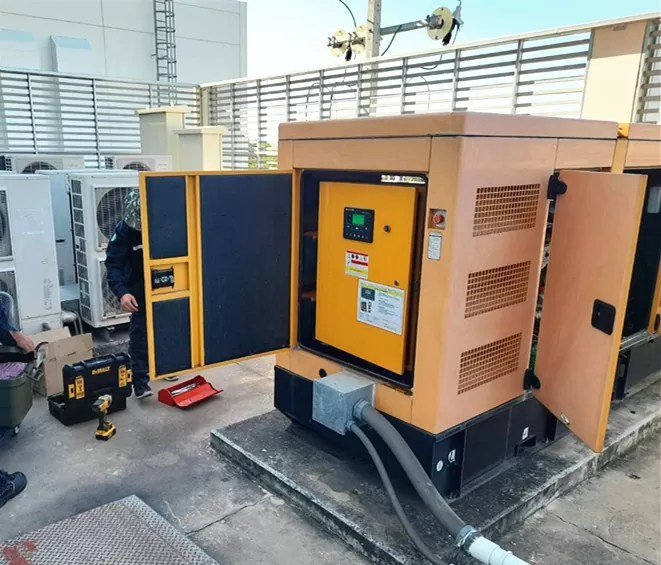
In today's competitive business landscape, an unexpected power outage can cripple operations, halt productivity, and damage your reputation. But what if your backup power solution added more problems than it solved, spewing disruptive noise across your neighborhood or office park? This is where Commercial Silent Generators for Business step in, offering a sophisticated blend of unwavering reliability and acoustic discretion. They ensure your critical systems remain online, your employees stay productive, and your community stays undisturbed – a win-win for modern enterprise.
At a Glance: Your Guide to Silent Generators
- What they are: Generators designed with advanced soundproofing to operate significantly quieter than traditional models, often between 45-65 dB at seven meters.
- Why they matter: Essential for noise-sensitive environments like hospitals, data centers, urban offices, and residential-adjacent businesses.
- Key benefits: Uninterrupted power, regulatory compliance, enhanced comfort, improved public image, and often better fuel efficiency.
- Core technologies: Acoustic enclosures, specially tuned engines, variable speed, inverter technology, and advanced emission controls.
- Critical considerations: Noise levels (aim for under 60 dB), power output, fuel efficiency, portability, and safety features.
- Leading brands: Honda, Yamaha, Generac, and Cummins are top contenders, each with distinct innovations.
The Unseen Threat: Why Noise Matters in Backup Power
Imagine the hum of a traditional commercial generator – often exceeding 80 decibels (dB), akin to a busy street or a garbage disposal. While it promises power, it often delivers a side dish of noise pollution that can lead to:
- Operational disruption: Distracting employees, impairing communication, and hindering concentration.
- Regulatory headaches: Violating municipal noise ordinances, leading to fines or installation restrictions.
- Community friction: Annoying neighbors, affecting brand perception, and potentially limiting future expansion.
- Health impacts: Contributing to stress, hearing fatigue, and reduced comfort for anyone nearby.
For businesses operating in urban environments, near residential areas, or in sensitive facilities like healthcare and data centers, this isn't just an inconvenience; it's a critical operational and public relations challenge. That’s why the evolution of silent generators isn't merely a luxury – it's a necessity. If you're looking for a broad overview of quiet power solutions, explore All about silent generators.
The Engineering Behind the Hush: How Silence is Achieved
Modern silent generators are marvels of engineering, combining robust power generation with sophisticated noise attenuation. It’s not just about slapping a box around a noisy engine; it’s a holistic approach that tackles sound at every source.
The Acoustic Enclosure System: Your First Line of Defense
This isn't merely a metal shell; it's a meticulously designed fortress against sound.
- Multi-layered construction: Expect double-wall designs with air gaps, filled with specialized sound-absorbing materials. Think high-density foam, fiberglass insulation, and mass-loaded vinyl barriers strategically placed to trap and dissipate sound waves.
- Ventilation ingenuity: Generators need airflow for cooling. Silent enclosures employ labyrinthine ventilation pathways and acoustic louvers that allow air in and out while preventing noise from escaping directly.
- Durable exteriors: Typically galvanized steel or aluminum, treated with weather-resistant coatings to ensure longevity and protection against the elements, further safeguarding the interior soundproofing.
Specially Tuned Engines: Quieter at the Core
The engine itself undergoes significant modifications to reduce inherent noise.
- Precision balancing: Components are meticulously balanced to minimize vibrations, which are a major source of mechanical noise.
- Advanced fuel injection: Optimized fuel delivery systems reduce combustion noise and ensure smoother, more efficient operation.
- Computer-modeled design: Engineers use sophisticated software to analyze and eliminate noise-generating factors during the engine's design phase, focusing on quieter combustion chambers and reduced mechanical clatter.
Variable Speed Technology: Power on Demand, Noise on Reserve
Unlike traditional generators that run at a constant, often high, RPM, variable speed technology is a game-changer.
- Load-dependent RPM: The engine's speed adjusts dynamically based on the actual power demand. During periods of low electrical load, the engine slows down, dramatically reducing fuel consumption and, critically, noise output.
- Advanced electronic governors: These intelligent systems ensure precise speed control, minimizing engine oscillations and maintaining stable power quality even as the load fluctuates.
Inverter Technology: Clean Power, Quiet Operation
Originally a hallmark of smaller, portable units, inverter technology has scaled up for commercial silent generators.
- Stable and clean electricity: Inverters convert the raw AC power from the generator into DC, then back into stable AC power. This produces cleaner, more consistent electricity, which is vital for sensitive electronics like servers, medical equipment, and sophisticated IT infrastructure.
- Enhanced fuel efficiency: This conversion process is incredibly efficient, often achieving up to 40% better fuel economy than conventional generators, leading to longer runtimes and lower operating costs.
Advanced Emission Control: Beyond Just Noise
Modern silent generators also focus on environmental responsibility.
- Reduced pollutants: Sophisticated fuel injection timing, exhaust after-treatment systems (like catalytic converters and diesel particulate filters), and optimized combustion chambers work together to minimize particulate emissions, nitrogen oxides (NOx), and hydrocarbons.
- Regulatory compliance: Many models meet or exceed stringent EPA Tier 4 standards, ensuring your business adheres to environmental regulations while benefiting from reliable power.
Where Silence Powers Success: Key Applications and Benefits
The advantages of commercial silent generators extend far beyond simply keeping the lights on. They offer strategic benefits that can impact your operations, reputation, and bottom line.
Healthcare Facilities: Life-Saving Silence
In hospitals, clinics, and assisted living centers, quiet operation isn't a luxury; it's a necessity for patient comfort and safety.
- Critical equipment support: Ensures continuous power for life-support systems, diagnostic imaging, surgical equipment, and electronic health record (EHR) systems.
- Patient recovery: Minimal noise is crucial for healing environments, reducing stress for patients and staff alike.
- Superior power quality: Advanced voltage regulation and harmonic filtration provide the ultra-clean power sensitive medical devices demand, preventing damage and ensuring accurate readings.
Data Centers & IT Facilities: Uninterrupted Digital Flow
Data centers are the backbone of the digital world, requiring continuous, stable power.
- 24/7 uptime: Guarantees seamless operation of servers, cooling systems, and network infrastructure, preventing costly downtime and data loss.
- Urban compliance: Allows data centers to operate within noise-sensitive urban zones without violating local regulations, which is critical for their strategic placement.
- Advanced monitoring: Integrated systems for remote monitoring and predictive maintenance allow for seamless coordination with UPS and building management systems, ensuring proactive intervention.
Fuel Advantages: The Power of Diesel (and Beyond)
While often associated with noise, diesel engines in modern silent generators offer distinct advantages.
- High energy density: Diesel packs more energy per gallon, translating to longer runtimes for a given fuel volume.
- Storage stability: Diesel fuel has a longer shelf life compared to gasoline, reducing the need for frequent fuel rotation and maintenance.
- Optimized efficiency: With advanced fuel injection, turbocharging, and electronic engine management, silent diesel generators can achieve 20-30% lower fuel consumption than comparable gasoline models, directly impacting operational costs.
Extended Service Life: A Long-Term Investment
Built for durability, these generators offer exceptional longevity.
- Robust construction: High-quality materials and engineering contribute to a 20-30 year service life.
- Lower operating temperatures: Efficient cooling and load management reduce wear and tear.
- Reduced maintenance: Longer intervals between services (200-500 operating hours) minimize downtime and maintenance costs. The acoustic enclosure also protects internal components from weather and tampering, further extending lifespan and lowering the total cost of ownership.
Regulatory Compliance: Operating Within the Lines
Navigating municipal noise ordinances can be complex. Silent generators simplify this.
- Bypassing barriers: By operating within acceptable noise limits (typically 45-65 dB at property boundaries), businesses can install generators more flexibly, often without needing additional expensive sound barriers or facing lengthy permitting processes.
Environmental Compatibility: A Greener Footprint
Beyond just quiet, these generators contribute to a more sustainable operation.
- Reduced emissions: Improved fuel efficiency directly translates to a lower carbon footprint.
- Resource efficiency: A longer service life means fewer units manufactured, transported, and ultimately disposed of, minimizing the environmental impact across the product lifecycle.
Business Operations Benefits: A Quiet Competitive Edge
The impact on your daily business can be profound.
- Minimized noise pollution: Reduces distractions for employees and neighbors, fostering a more pleasant environment. This is especially crucial in offices, retail spaces, or hospitality settings.
- Enhanced employee comfort: A quieter workplace leads to improved focus, reduced stress, and higher job satisfaction, directly impacting productivity. Companies with lower noise emissions have seen customer satisfaction rates rise by around 25%.
- Professional image: Investing in a silent generator signals responsibility and consideration for your environment and community, enhancing your brand image and potentially attracting more customers.
Choosing Your Silent Guardian: Key Selection Criteria
Selecting the right commercial silent generator involves a careful evaluation of your specific needs against the available features. It's about finding the perfect balance of power, quietness, and cost-effectiveness. For a broader perspective on generator choices, you might find our in-depth generator buying guide helpful.
1. Noise Levels: How Quiet is Quiet Enough?
This is often the primary driver for choosing a silent generator.
- Target dB: Aim for generators operating below 60 dB at seven meters. To put this in perspective, 58 dB is comparable to a normal conversation. Many leading models achieve significantly lower levels, even into the high 40s.
- Real-world context: Consider your specific environment. A generator for a hospital will need to be significantly quieter than one for an industrial park, even if both require silent operation.
2. Power Output (Watts): Sizing It Right
Undersizing a generator leads to frequent overloads, while oversizing wastes money.
- Calculate your needs: Tally the total wattage of all essential equipment your business needs to run during an outage. Remember to account for "starting watts" (the momentary surge when motors turn on) which can be 2-3 times higher than running watts.
- Buffer capacity: Always choose a generator with slightly more capacity than your calculated peak demand (e.g., 20-30% buffer) to ensure stable operation and prevent premature wear. Commercial silent generators can range from 1,000 watts for smaller needs to well over 10,000 watts for heavy-duty applications.
- Small (1,000-2,000 Watts): Ideal for basic office needs, lighting, small electronics (e.g., Honda EU1000i at ~50 dB).
- Medium (2,000-4,000 Watts): Supports larger appliances, power tools, or critical small business systems (e.g., Westinghouse WGen3600DF at ~58 dB).
- Large (4,000-5,000+ Watts): Capable of running multiple heavy-duty appliances and comprehensive business operations (e.g., Champion 4500-Watt Dual Fuel at ~61 dB).
3. Fuel Efficiency & Type: Operating Costs in Focus
Fuel is an ongoing expense, so efficiency matters.
- Diesel: Generally more fuel-efficient and has a longer shelf life, making it suitable for long-term storage and extended runtimes.
- Dual-fuel options (gasoline/propane): Offer incredible flexibility, allowing you to switch based on availability or cost fluctuations. Propane, for instance, is a cleaner-burning fuel with a long shelf life.
- Inverter technology: As discussed, this significantly boosts fuel efficiency, extending runtimes. For more details on generator specifications, take a look at how to understand generator specifications.
4. Portability: Static or Mobile?
Your application dictates this.
- Stationary units: For permanent installations (e.g., data centers, hospitals), heavy, robust units are secured in place.
- Portable units: For construction sites, outdoor events, or businesses needing flexible backup, models with heavy-duty wheels and sturdy handles are essential. Even some larger commercial units are designed with mobility in mind for specific industries. For example, the WEN 4800-Watt Portable Inverter Generator offers 7 hours at half load, features wheels, and includes multiple outlets for versatility. The AtlanTec Portable Inverter Generator 2300-Watt is a lightweight option at 54 dBA, designed for easy transport.
5. Safety Features: Non-Negotiable Protection
Safety must always be a top priority.
- Automatic shutoff: Critical for low oil, overheating, or carbon monoxide detection. Many modern units like the WEN 3600-Watt Dual Fuel Portable Inverter Generator include a Watchdog CO Shutdown Sensor.
- Overload protection: Circuit breakers prevent damage to the generator and connected equipment.
- Ground fault circuit interrupters (GFCIs): Protect against electrical shocks.
- Enclosures: Provide physical protection against accidental contact and weather.
6. Reliability: Built to Last
Invest in a generator that will perform when you need it most.
- Brand reputation: Research leading brands known for quality and customer support.
- Construction: Look for high-quality materials and robust build.
- Customer reviews: Real-world feedback can offer valuable insights into performance and longevity.
Top Players and Their Innovations in Quiet Power
The market for commercial silent generators is robust, with several manufacturers continually pushing the boundaries of quiet operation and efficiency.
- Honda: A household name synonymous with reliability and quiet performance. Honda generators, like the popular EU2200ITAN, are renowned for their advanced inverter technology (achieving noise levels as low as 48 dBA), exceptional fuel efficiency, and long runtimes (some up to 20 hours). Their CO-Minder™ advanced carbon monoxide detection system is a significant safety innovation.
- Yamaha: Known for their compact design, portability, and stable power output, Yamaha's inverter generators also boast impressive quietness, often operating below 50 dBA. They are a strong contender for businesses where space and ease of transport are priorities.
- Generac: A leader in heavy-duty power solutions, Generac offers robust silent generators, particularly in their Guardian Series. These units are built for extended operation and feature noise-reduction technology that brings levels down to around 58 dBA, suitable for a wide range of commercial applications. The Generac GP2200i is noted for its fuel efficiency, running over 10 hours on a small fuel tank.
- Cummins: For industrial-scale quiet power, Cummins stands out with its heavy-duty construction and long-term reliability. Their sound-attenuated enclosures ensure that even powerful commercial units operate at around 65 dBA at 7 meters, making them suitable for large-scale operations requiring significant backup.
Distinguishing Innovations Shaping the Future:
Beyond the brands, several technological advancements are redefining what commercial silent generators can do:
- Hybrid Power Solutions: Combining traditional fuel sources (like diesel or gasoline) with renewable options (solar, battery storage, or propane) for reduced greenhouse gas emissions and greater energy independence.
- Smart Connectivity Features: Remote monitoring via smartphones or tablets, real-time diagnostics, and predictive maintenance alerts. This can increase maintenance efficiency by up to 30%, ensuring you're always ahead of potential issues.
- Eco-Friendly Fuel Options: Expanding compatibility beyond traditional fuels to include biodiesel and propane, which can significantly reduce carbon emissions (biodiesel up to 80% compared to conventional diesel).
- Modular Designs for Scalability: Generators designed to be easily expanded by adding more units as power needs grow. This offers incredible flexibility for businesses with evolving demands.
- Enhanced Safety Features: Beyond the basics, this includes more sophisticated automatic shut-off systems, advanced carbon monoxide detectors, and intelligent circuit breakers that can diagnose and isolate electrical faults more precisely.
Beyond Diesel: The Dual-Fuel Advantage
While diesel remains a cornerstone for commercial silent generators, dual-fuel models (typically gasoline and propane) are gaining significant traction due to their versatility and efficiency.
How Dual Fuel Enhances Your Backup Strategy:
- Fuel flexibility: The ability to switch between gasoline and propane means you're not reliant on a single fuel source. If one becomes scarce or expensive, you have an immediate alternative.
- Increased efficiency: Propane, with its higher BTU content per gallon compared to natural gas, can offer quicker heating and, in some cases, lower energy bills when used efficiently.
- Cost savings: Dual-fuel options provide a hedge against price fluctuations in either gasoline or propane, allowing you to choose the more economical option at any given time.
- Reduced environmental impact: Propane is a cleaner-burning fuel, producing fewer greenhouse gas emissions (up to 25% less CO2 than electricity from fossil fuels) and less carbon buildup, which can extend engine life and reduce maintenance.
- Extended reliability: During widespread outages, natural gas lines can be compromised. Having a stored propane reserve ensures your essential services can continue uninterrupted. The WEN 3600-Watt Dual Fuel Portable Inverter Generator and Champion 4500-Watt Dual Fuel Generator are prime examples of this technology in action.
Choosing a dual-fuel silent generator can provide an extra layer of security and operational flexibility that single-fuel units simply can't match. If you're looking for solutions for power efficiency, exploring dual-fuel is a great start.
Keeping Your Quiet Powerhouse Running: Maintenance & Longevity
A commercial silent generator is a significant investment, and like any critical asset, it requires diligent care to ensure its long life and reliable performance. Neglecting maintenance can negate its benefits and lead to costly failures.
Your Essential Maintenance Schedule:
Most manufacturers recommend comprehensive inspections every 200-500 operating hours or annually, whichever comes first. Here's a deeper dive into critical tasks:
- Regular Inspections (Monthly):
- Check for loose connections, frayed wires, and worn hoses.
- Inspect for any leaks (oil, fuel, coolant).
- Ensure the acoustic enclosure is intact and free of damage that could compromise soundproofing.
- Verify adequate ventilation around the unit to prevent overheating.
- Timely Servicing (Annually/Per Operating Hours):
- Oil changes: Use manufacturer-recommended oil at specified intervals.
- Filter replacements: Air filters, fuel filters, and oil filters are crucial for engine health. Clogged filters reduce efficiency and can cause damage.
- Cooling system inspection: Check coolant levels, hoses, and radiator fins for debris.
- Spark plug inspection/replacement: For gasoline/propane units.
- Clean Fuel Use: Always use high-quality, clean fuel. Stale or contaminated fuel is a common culprit for generator issues. If storing fuel, ensure it’s properly stabilized.
- Battery Management (Quarterly):
- Check battery terminals for corrosion and clean as needed.
- Ensure the battery is fully charged (many commercial units have trickle chargers).
- Replace batteries every 3-5 years, or as soon as they show signs of degradation.
- Calibration: Periodically check that instruments and controls provide accurate readings, especially voltage and frequency.
- Software Updates: For smart generators with remote monitoring, ensure software and firmware are up to date for optimal performance and cybersecurity.
- Component Replacement: Replace worn belts, hoses, and other components proactively based on inspection findings and manufacturer recommendations.
- Systematic Testing: Regularly run the generator under a load (e.g., monthly for 30-60 minutes) to ensure it starts reliably and can handle the required power output. This also helps circulate fluids and prevent component seizing. Test safety features during these runs.
- Performance Monitoring: Keep logs of fuel consumption, run times, and any unusual observations. This helps identify trends and enables proactive, rather than reactive, maintenance.
By adhering to a diligent maintenance schedule, you can ensure your commercial silent generator remains a reliable, quiet guardian for your business for decades to come. For more detailed guidance, consider consulting a detailed generator maintenance checklist.
Decoding the Investment: Cost Factors to Consider
Investing in a commercial silent generator is a strategic decision, and understanding the total cost of ownership goes beyond the initial price tag.
1. Initial Purchase Price:
- Range: From $2,000 for smaller portable units to over $20,000 for larger, stationary commercial systems.
- Quiet premium: Expect to pay 15-30% more for a silent generator compared to a standard equivalent due to the advanced sound-dampening technology and often more sophisticated engine and power conversion systems (e.g., inverter technology).
2. Fuel Type and Consumption: An Ongoing Expense
- Diesel: Generally has lower consumption but requires specific storage.
- Propane/Natural Gas: Can be more convenient for continuous operation if connected to a utility line, or stored as propane tanks. Dual-fuel offers flexibility.
- Efficiency: Higher efficiency (often driven by inverter or variable speed technology) directly translates to lower ongoing fuel costs.
3. Installation Expenses: Site-Specific Variables
- Complexity: Ranges from a few hundred dollars for a simple portable unit hookup to several thousands for a permanent installation requiring electrical wiring, concrete pads, fuel line connections, and professional permits.
- Site conditions: Ease of access, proximity to fuel sources, and local regulations all influence installation costs.
4. Maintenance and Repair Costs: The Long Game
- Allocate budget: Plan to allocate 15-20% of the initial purchase price annually for routine maintenance, inspections, and potential repairs. This includes oil changes, filter replacements, battery checks, and professional servicing.
- Warranty: Consider extended warranties for peace of mind, though these add to the initial cost.
5. Warranty and Insurance: Protecting Your Asset
- Standard warranties: Typically 2-3 years, but some brands offer longer terms. Understand what's covered.
- Commercial insurance: Ensure your business insurance policy covers your generator against theft, damage, and liability.
6. Brand Reputation and Reliability: Value Beyond Price
- Higher upfront, lower long-term: Established brands with proven track records (like Honda, Generac, Cummins) might have higher initial prices, but they often offer superior long-term reliability, better customer support, and lower overall maintenance headaches and unexpected repair costs. This can lead to better long-term satisfaction and a lower total cost of ownership.
7. Run Time and Power Output: Operational Value
- Generators with extended run times and higher power outputs may have higher initial costs, but they can significantly reduce refueling frequency and minimize business downtime, offering a tangible return on investment.
When budgeting for a commercial silent generator, look beyond the sticker price. A holistic view of initial purchase, installation, fuel, and ongoing maintenance will provide the most accurate picture of your total investment. For exploring other critical assets for your business, consider other industrial power solutions available.
Making the Smart Move: Investing in Quiet Resilience
In an era where power continuity is paramount and noise pollution is increasingly scrutinized, commercial silent generators for business are no longer just an option—they're a strategic necessity. They offer a powerful blend of robust, reliable backup and acoustic discretion, ensuring your operations remain seamless, your reputation untarnished, and your environment undisturbed.
By carefully considering your business's specific power needs, the environmental context of your location, and the long-term benefits of quiet operation, you can select a generator that not only protects your bottom line but also enhances your operational efficiency and strengthens your community ties.
Don't wait for the next power outage to realize the true cost of silence. Equip your business with a quiet guardian that delivers peace of mind, power, and a professional image, even when the grid goes dark.