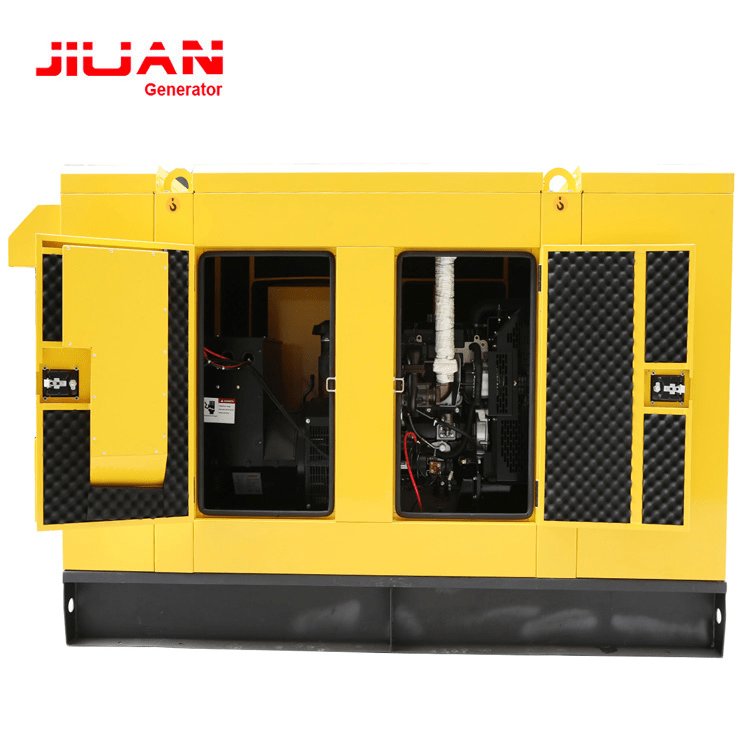
Choosing the Best Silent Generator for Quiet Power Anywhere
There's nothing quite like the drone of a traditional generator to ruin the peace of a tranquil campsite, interrupt a backyard event, or add unnecessary stress during a power outage. If you're tired of shouting over your power source, you're likely here because you're considering Choosing the Best Silent Generator – a wise move that promises reliable electricity without the ruckus. This guide cuts through the noise (pun intended) to help you find the perfect quiet generator for your needs, whether it's for emergency home backup, serene camping trips, or discreet job site power.
At a Glance: Your Silent Generator Cheat Sheet
- What makes them quiet? Inverter technology, advanced mufflers, and soundproof designs. Solar generators are inherently silent.
- Noise Levels: Typically 50-60 dB – about the volume of a casual conversation.
- Key Consideration: Match wattage to your power needs; 2,000+ watts for home essentials, 3,000+ for heavier use.
- Fuel Options: Gasoline, dual-fuel (gas/propane), or completely silent solar.
- Top Picks Highlighted: Honda EU2200i, Westinghouse iGen 4500, Generac Solar Generator, and more.
- Beyond Power: Look for portability, eco-modes, smart features, and crucial safety elements like CO sensors.
Why Quiet Power Matters (Beyond Just Decibels)
The hum of a generator might seem like a small annoyance, but its impact can be far-reaching. Imagine trying to enjoy the tranquility of nature on a camping trip, only to have it shattered by a loud engine. Or perhaps you're using a generator for a backyard party or a remote job site where noise complaints are a real concern. That's where quiet generators become game-changers.
The magic behind a "silent" generator often lies in its inverter technology. Unlike conventional generators that run at a constant, noisy RPM, inverter generators produce AC power, convert it to DC, and then invert it back to clean AC power. This allows them to adjust engine speed based on the power demand, meaning they only work as hard as they need to. The result? Lower fuel consumption, cleaner power, and significantly less noise. Enhanced mufflers and sound-dampening enclosures further contribute to their hushed operation.
Most quiet inverter generators operate in the 50-60 decibel (dB) range. To put that into perspective, 50 dB is similar to the hum of a refrigerator or a quiet office, while 60 dB is akin to a normal conversation. This is a far cry from the roaring 70-80+ dB of many traditional generators. And for ultimate silence, you can always turn to solar generators, which produce zero noise during operation because they have no moving parts or combustion engines. If you're curious about the mechanics, you can dive deeper into understanding inverter technology.
Beyond comfort, the importance of low noise levels touches upon several practical aspects:
- Regulations: Many campgrounds, national parks, and residential areas have strict noise ordinances. A quiet generator helps you comply, avoiding fines or uncomfortable encounters.
- Efficiency: As mentioned, inverter generators often feature "eco-modes" that throttle down the engine during lighter loads, saving fuel and reducing noise. It's a win-win.
- Health: Prolonged exposure to loud noise can be detrimental to hearing and overall well-being. A quieter environment reduces stress and allows for easier communication.
Ultimately, choosing a quiet generator is about reclaiming peace while still enjoying the convenience of portable power. If you want to explore the full spectrum of options, you might be interested in All about silent generators.
Understanding Your Power Needs: Wattage is King (and Queen)
Before you fall in love with a generator's quiet hum, you need to ensure it can actually power what you need. This is where wattage comes in. Generators have two key wattage ratings: peak (or starting) watts and running (or continuous) watts.
Decoding Wattage: Peak vs. Running
- Peak Watts (Starting Watts): This is the maximum power a generator can produce for a short burst, typically to start motors in appliances like refrigerators, air conditioners, or power tools. These motors require a momentary surge of power to get going.
- Running Watts (Continuous Watts): This is the amount of power a generator can continuously supply to keep your devices operating. Always prioritize this number when evaluating your consistent power needs.
How Much Power Do You Really Need?
Estimating your wattage requirements is crucial. Grab a pen and paper, and list all the devices you plan to run simultaneously. Then, check the labels on each device for its wattage rating. Add up the running watts for all items, and then identify the item with the highest starting wattage (usually something with a motor) and add that difference to your total running watts for a conservative estimate.
Here’s a general guide:
- Light-Duty (1,000-1,600 watts): Ideal for camping, tailgating, or powering a few small electronics like phone chargers, LED lights, and a small fan. Think minimal impact, maximum quiet.
- Mid-Duty (2,000-3,000 watts): This range is often recommended for basic home backup, powering a full-size refrigerator, a few lights, a TV, and charging devices. It’s also suitable for light job site tools.
- Heavy-Duty (3,000+ watts): If you need to run multiple large appliances concurrently, like a refrigerator, freezer, microwave, furnace fan, or several power tools on a job site, you'll want to aim for this higher wattage. This category includes models like the Westinghouse 4,500-watt iGen Inverter.
Choosing a generator with slightly more running wattage than your calculated needs is always a good idea. It provides a buffer and prevents overloading the unit.
Fueling Your Quiet Companion: Gas, Dual-Fuel, or Solar?
The type of fuel your generator uses significantly impacts its operation, runtime, and environmental footprint. Each option comes with its own set of advantages.
Gasoline Generators: The Common Standard
Most quiet inverter generators run on gasoline. They are widely available, and fuel is generally easy to find. Modern gasoline inverter generators are quite fuel-efficient, especially those with "eco-modes." However, gasoline requires careful storage, has a limited shelf life (unless stabilized), and produces emissions. Models like the Honda EU2200i are excellent examples of quiet, efficient gasoline generators.
Dual-Fuel Advantage: Versatility and Extended Storage
Dual-fuel generators offer the flexibility of running on either gasoline or propane. This is a huge benefit for preparedness. Propane can be stored for much longer periods without degrading than gasoline, making it an excellent choice for emergency backup. It also burns cleaner, potentially extending engine life. While running on propane might yield slightly lower wattage output, the convenience and extended storage benefits are often worth it. The Westinghouse 2550 Peak Watt Dual Fuel Inverter and Champion Power Equipment 2500-Watt Dual Fuel Inverter are prime examples of this versatility. To learn more about the flexibility, check out the benefits of dual-fuel generators.
The Ultra-Silent Solution: Solar Generators
For absolute silence, zero emissions, and renewable power, solar generators are in a league of their own. These systems typically combine a large battery, an inverter, and a charge controller, allowing you to charge the battery via solar panels (often sold separately), AC outlets, or even your car's 12V port. They operate without any noise, fumes, or moving parts, making them perfect for indoor use during outages or for truly silent outdoor adventures. The Generac Solar Generator, for instance, provides substantial power (3,200 peak watts) through multiple ports, all while running completely silently. While the initial investment can be higher and their power output might not match the sustained heavy loads of large gas generators, their environmental benefits and quiet operation are unmatched. If this sounds like the perfect fit for you, consider delving deeper into solar generators.
The Best Silent Generators on the Market (Our Top Picks)
Based on extensive hands-on testing, customer feedback, and in-depth research, these quiet generators stand out for their performance, reliability, and — crucially — their low noise levels.
Honda EU2200i Inverter Generator
The Gold Standard for Portability and Quiet Reliability.
This generator is a perennial favorite for a reason. It offers a fantastic balance of portability (nearly 50 pounds), reliability, and incredibly low noise levels (48-57 dBA). Its Honda GXR120 engine delivers 2,200 peak watts and 1,800 running watts, capable of powering a full-size refrigerator for hours or job site saws with clean, consistent current. Features include parallel readiness, a built-in carbon monoxide sensor, and compatibility with the Honda My Generator mobile app for remote monitoring. It lacks a built-in USB port, but its overall performance and quiet operation make it a top contender.
Westinghouse 4,500-watt iGen Inverter
Serious Power, Seriously Quiet.
When you need more power without sacrificing silence, the Westinghouse iGen 4500 is an excellent choice. This gasoline-only unit boasts 4,500 peak watts and a massive 3.4-gallon tank for up to 18 hours of runtime. Remarkably, it operates at just 52 dB(A), quieter than normal conversation. It’s perfect for RVs, camping with larger loads, or powering critical home appliances. Despite weighing nearly 105 pounds (without fuel), its power output and quiet operation are hard to beat, and it comes with multiple outlets including two USB ports and a 30A RV-ready outlet.
Generac Solar Generator
The Ultimate in Silent, Emission-Free Power.
For completely silent operation, look no further. This Generac unit delivers up to 3,200 peak watts and 1,600 running watts via three AC ports, four USB ports, a 12V DC port, and a wireless charging pad. It’s energy-efficient, expending only as much power as used. While solar panels are separate, it was tested successfully with a Bluetti 200W solar panel and powered various household appliances and a miter saw. Weighing 43 pounds with a rugged handle, it's manageable for short moves and ideal for anyone prioritizing a quiet, green power solution.
Generac iQ3500 Inverter Generator
User-Friendly with Robust Power.
The Generac iQ3500 excels in user-friendliness, featuring a push-button starter and an easy-to-read LCD screen that monitors power output, fuel level, and projected runtime. Noise levels are measured at 56 dB(A) in Eco mode and 61 dB(A) in normal mode (both at 5 feet), allowing for easy conversation. It provides clean, consistent power with a 20A duplex outlet, a 30A connection (requiring an adapter for RVs), and two USB ports. At 109.1 pounds, it’s a heavier option, but its convenience and power make it a strong contender for demanding applications.
Westinghouse 2550 Peak Watt Dual Fuel Inverter Generator
Compact, Quiet, and Versatile.
This dual-fuel gem offers 2,550 starting watts and 1,900 running watts, running on both gasoline and propane. It operates as low as 52 dBA, making it incredibly quiet for its power output. Fuel efficiency is impressive, with up to 12 hours on a 1.11-gallon gas tank or 34 hours on a 20-pound propane tank, especially with its "economy mode." Weighing just over 43 pounds with a built-in handle, it’s highly portable and features an RV-ready TT-30R outlet, two 120V 20A outlets, and two USB ports, along with essential safety features like a CO sensor.
Champion Power Equipment 2500-Watt Dual Fuel Inverter Generator
Lightweight and Reliable Dual-Fuel Power.
At a mere 39 pounds, this is one of the lightest dual-fuel options available. It provides 2,500 starting watts and 1,850 running watts on gasoline (slightly less on propane) and operates at a very quiet 53 dBA from 23 feet, comparable to a dishwasher. Its 1.1-gallon tank offers about 11.5 hours on gasoline (at 25% load), and up to 34 hours on a 20-pound propane tank. Equipped with a CO Shield sensor, low-oil shutoff, and overload protection, it’s a robust and portable choice for camping, tailgating, or light home backup.
Other Notable Mentions:
- Pulsar 2200-watt Inverter Generator: A budget-friendly dual-fuel option suitable for light-duty needs, though testing showed it to be slightly louder than advertised.
- Ryobi 2,300-watt Gas Generator: Features app-guided setup and monitoring, "pretty quiet," best for lower-power uses like work lights and smaller tools.
- PowerSmart 2500-Watt Gas Powered Portable Inverter Generator: Another budget-friendly choice at 56dB, good for small to medium power needs with a foldable handle.
- WEN 3600-Watt Portable Inverter Generator: A lightweight generator offering 3,600 starting watts, capable of powering mid-sized appliances, with an eco-mode. Operates around 65 decibels.
- Generac 7153 GP3300i Portable Inverter Generator: Dependable with PowerRush technology and 52-55 dBA noise levels at low loads, weighing under 60 pounds.
- Yamaha EF2200iS Inverter Generator: Offers a great balance of portability, power (2,200 starting watts), and quiet operation (around 57 dBA at 1/4 load), with an illuminated LED display.
Beyond the Basics: Key Features to Look For
While wattage and fuel type are critical, a truly great silent generator integrates smart features and practical considerations.
Portability: Size, Weight, and Maneuverability
If you plan to move your generator frequently—for camping, tailgating, or different job sites—its physical size and weight are paramount.
- Lightweight (40-60 pounds): Many smaller inverter generators, like the Honda EU2200i or the Westinghouse 2550, fall into this category. They often feature sturdy molded handles, making them easy for one person to carry.
- Heavier Units (up to 100+ pounds): Larger, more powerful models such as the Westinghouse iGen 4500 or Generac iQ3500 may include wheel kits and telescopic handles. While not easily "carried," they are designed for easier transport across flat surfaces.
Noise Level (dB Rating): Your Comfort Zone
We've discussed this extensively, but it bears repeating: check the decibel rating!
- Aim for generators in the 50-60 dB range for truly quiet operation.
- Note if the rating specifies "at 25% load" or "at 50% load," as noise levels increase with higher power demands.
- Eco-modes are a fantastic feature, allowing the generator to throttle down and run even quieter (and save fuel) when only powering lighter loads.
Outlets & Connectivity: Powering All Your Devices
Consider the types and number of outlets you’ll need:
- Standard AC Outlets (120V 20A): The most common for household appliances and tools.
- RV-Ready Outlets (e.g., TT-30R, 30A Twist-Lock): Essential for powering recreational vehicles directly.
- USB Ports: Convenient for charging phones, tablets, and other small electronics without needing a separate adapter.
- 12V DC Outlets: Useful for charging car batteries or running specific DC appliances.
- Parallel Capability: Allows you to connect two smaller, compatible inverter generators together to double your power output without buying one giant, heavy unit.
Safety First: CO Sensors & Protection
Your safety is non-negotiable. Look for these crucial features:
- Carbon Monoxide (CO) Sensor with Safety Shutoff: Generators produce CO, a colorless, odorless, and deadly gas. Many modern quiet generators, including Honda's CO-MINDER system and Champion's CO Shield, automatically shut down if dangerous levels of CO are detected. This is a must-have.
- Low-Oil Shutoff: Protects the engine from damage by automatically turning off the generator if the oil level drops too low.
- Overload Protection: Prevents damage to the generator and connected devices by shutting off power if the electrical load exceeds the unit's capacity.
Smart Features & Convenience: Modern Touches
Technology has made generators easier to use than ever:
- Remote Start/Shutoff: Some models, like certain Ryobi units, offer remote shutoff via a mobile app. The Generac iQ3500 boasts a push-button electric start.
- Mobile App Integration: Monitor fuel levels, power output, and even remotely control certain functions from your smartphone.
- Digital Displays: Easy-to-read LCD screens provide real-time information on fuel levels, runtime, and power output.
Real-World Applications: Where Quiet Generators Shine
Quiet portable generators aren't just a luxury; they're a necessity for a variety of scenarios where peace and discretion are paramount.
Peaceful Camping & RV Adventures
Imagine waking up to the sounds of birds, not an engine. Quiet generators are a camper's best friend. Their compact size, lighter weight, and fuel efficiency (especially with eco-modes) make them ideal for powering small appliances, charging devices, and keeping your RV comfortable without disturbing nature or fellow campers. Models like the Honda EU2200i and Westinghouse 2550 Peak Watt Dual Fuel are perfect for this.
Seamless Home Backup
During a power outage, the last thing you want is a noisy generator adding to the stress. A quiet generator can power critical home appliances—your refrigerator, freezer, lights, and essential electronics—allowing you to maintain a semblance of normalcy. Look for models with higher power output and extended runtime, alongside crucial safety features like CO sensors for peace of mind. While not a whole-home solution, they offer quiet, targeted power for essentials.
Quiet Job Sites & Events
For outdoor events like weddings, concerts, or farmers' markets, a noisy generator can be a real distraction. Similarly, on construction sites in residential areas, noise regulations can be strict. Quiet inverter generators provide discreet power for sound systems, lighting, tools, and food vendors without drawing unwanted attention or violating local ordinances. Their clean power output is also ideal for sensitive electronics used in these settings.
Keeping Your Quiet Generator Running Smoothly (and Quietly)
Even the quietest generator needs a little TLC to maintain its hushed performance and extend its lifespan. Regular maintenance is key.
Essential Maintenance for Longevity and Silence
- Change the Oil Regularly: Dirty oil can lead to increased friction, reduced efficiency, and potentially louder operation. Follow your manufacturer's recommended schedule.
- Check and Replace Spark Plugs: A fouled or worn spark plug can cause inefficient combustion, leading to rougher running and more noise.
- Clean or Replace Air Filters: A clogged air filter restricts airflow, forcing the engine to work harder and potentially increasing noise. Keeping it clean ensures optimal performance.
- Inspect the Muffler and Exhaust System: Any cracks, holes, or loose connections in the muffler or exhaust can significantly increase noise levels. Address these immediately.
- Use Fuel Stabilizer: For gasoline generators, especially during storage, a fuel stabilizer prevents gumming and corrosion in the fuel system, ensuring smoother starts and quieter operation when you need it.
- Store Properly: When not in use, ensure your generator is stored in a dry, well-ventilated area, protected from the elements.
Adhering to these essential generator maintenance tips will not only keep your generator running quietly but also reliably for years to come.
DIY Noise Reduction: Making a Quiet Generator Even Quieter
While quiet generators are designed for low noise, you can take additional steps to dampen sound, especially if you're particularly sensitive or have very strict noise requirements.
Simple Sound Dampening
- Anti-vibration Mats/Covers: Place your generator on a rubber or anti-vibration mat, especially on hard surfaces. This significantly reduces vibrations that translate into noise. You can also purchase insulated or soundproof generator covers designed to fit around your unit and absorb sound outdoors.
- Strategic Placement: Position the generator as far away from your activity area as safely possible. Consider natural barriers like dense shrubs or small inclines to help block sound. Always ensure proper ventilation, never placing it in an enclosed space.
Constructing a Sound Barrier
For a more involved, yet effective, solution, you can build a simple sound barrier.
- Materials: Use materials like plywood, soundproofing foam, or acoustic panels.
- Design: Construct a three-sided barrier around the generator, ensuring the open side faces away from your primary activity area.
- Ventilation is CRUCIAL: Leave ample space around the generator for airflow to prevent overheating and CO accumulation. Never fully enclose a combustion generator.
The Baffle Box Project (Advanced)
This is a more advanced DIY project for significant noise reduction. A baffle box is an enclosed structure with soundproofing materials and carefully designed air intake and exhaust vents (baffles) that force air to travel in a zigzag path, trapping sound waves while allowing essential airflow. This requires careful planning to ensure adequate ventilation and prevent overheating.
Addressing Common Questions About Silent Generators
Are all inverter generators quiet?
While inverter generators are generally much quieter than traditional conventional generators, "quiet" is a relative term. Not all inverter generators achieve the ultra-low decibel levels of the top-tier models. Always check the specific dB rating.
How does 'eco-mode' work, and does it really make a difference?
Yes, eco-mode makes a big difference! In eco-mode, the generator's engine speed is automatically adjusted to match the electrical load. If you're only powering a light load, the engine will run slower, consuming less fuel and producing significantly less noise. When demand increases, the engine intelligently revs up.
Can I run a solar generator indoors?
Absolutely. This is one of the biggest advantages of solar generators. Since they have no combustion engine, they produce no exhaust fumes (like carbon monoxide) and no noise, making them perfectly safe and comfortable for indoor use during power outages.
Are quiet generators more expensive?
Generally, yes. The advanced inverter technology, enhanced muffling, and often superior build quality that contribute to a generator's quiet operation usually come with a higher price tag compared to conventional generators of similar power output. However, the benefits in comfort, efficiency, and versatility often justify the investment.
Your Path to Peaceful Power
Choosing the best silent generator isn't just about buying a piece of equipment; it's about investing in peace of mind, comfort, and compliance. By understanding your wattage needs, weighing fuel options, and exploring the impressive features available, you can confidently select a generator that provides reliable power without disrupting your environment.
From the quiet hum of a Honda powering your campsite to the complete silence of a Generac solar unit ensuring home essentials run during an outage, the options for quiet power are more robust than ever. Take stock of your specific needs, consider the stellar models we've highlighted, and make an informed choice that brings harmonious electricity to your life, wherever you need it.